
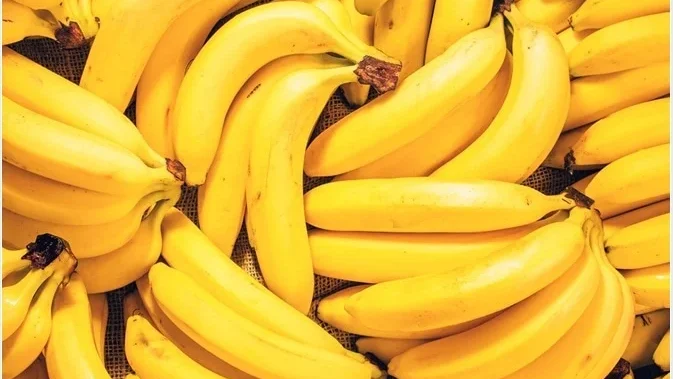
Banana industry warns 2027 prices to rise as costs outpace returns
According to industry sources cited by the FAO, banana production costs rose by 40% to 50% above pre-pandemic levels.
GLOBAL – In a Bloomberg interview on 26 October, Chiquita CEO Carlos López Flores forecast lower marketed banana volumes and potentially higher prices for 2027.
The warning echoes concerns expressed by Fyffes’ chief commercial officer, Frank Burkhardt, who told FreshPlaza on October 1 that costs have risen across virtually every part of the supply chain, while bananas are still sold at prices that do not reflect the true cost of producing and delivering them responsibly.
“For many years, the industry has absorbed these increases. This is no longer sustainable,” Burkhardt said.
According to industry sources cited by the FAO, banana production costs rose by 40% to 50% above pre-pandemic levels. Yet in the first nine months of 2022, average export unit values for bananas from Ecuador and Colombia were about 9% and 4% lower than a year earlier, while average import prices at EU borders increased by only 0.2%.
Additionally, environmental volatility compounds cost pressures. Chiquita has warned that heavy rainfall in Ecuador and Peru could damage crops, increase disease pressure and disrupt road access, while drier conditions around the Panama Canal basin could affect a major shipping route.
Over the longer term, Fusarium wilt Tropical Race 4 poses another major threat, having spread to 26 countries, including Colombia, the Philippines and Ecuador, according to the report.
For instance, Cavendish bananas account for approximately 95% of international banana trade and 50% of global production, yet the variety is highly susceptible to TR4.
The OECD-FAO Agricultural Outlook 2026-2035 reports a recovery in banana trade in 2025 and projects global production reaching 168 million tonnes by 2035, though the forecast assumes normal weather conditions and no further spread of major diseases.
Meanwhile, consumer demand also limits pricing power: higher banana prices in the United States reduced purchases in 2025, particularly in the organic segment.
Africa could benefit as European buyers diversify their supply sources. The OECD and FAO forecast that African banana exports will grow by an average of 1.3% annually through 2035, reaching about 800,000 tonnes, with Côte d’Ivoire the primary driver.
In Côte d’Ivoire, industry stakeholders signed a charter in September 2024 to establish a joint working group to negotiate a sector-wide agreement by 2026 that links working conditions, living wages, and remunerative producer prices.
Finally, Africa may benefit as European buyers diversify, but higher volumes alone will not resolve producer compensation unless buyers share costs.
Sign up HERE to receive our email newsletters with the latest news and insights from Africa and around the world, and follow us on our WhatsApp channel for updates.