

Britain begins bird flu vaccine trials in turkeys to test disease control strategy
Authorities seek evidence on disease control and potential trade implications
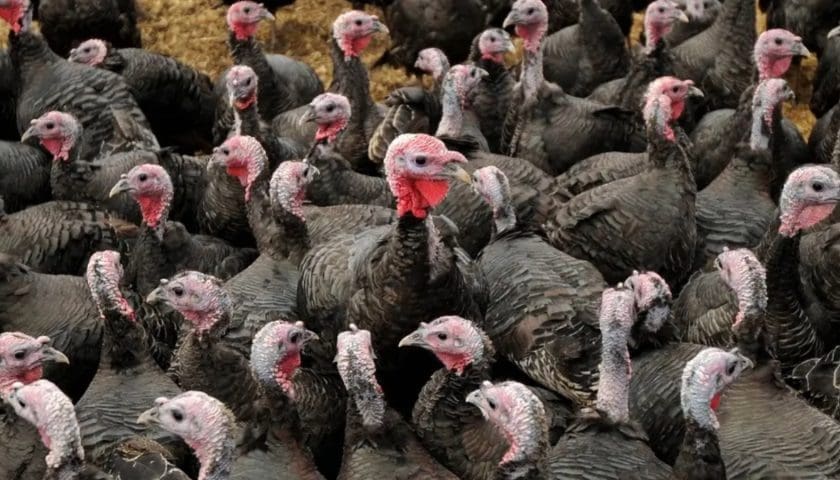
UK – The United Kingdom has initiated targeted trials of bird flu vaccines in turkeys as authorities test whether immunisation could help control outbreaks that have repeatedly affected poultry farms and disrupted supply chains.
The initiative signals a change in how the government approaches the disease, which has damaged flocks in recent years and pushed several countries to consider vaccination as a method to reduce losses in the poultry sector.
Highly pathogenic avian influenza, commonly referred to as bird flu, continues to worry governments and industry players because it can spread quickly through poultry populations, affect food supply costs, and carry the possibility of evolving into a human health threat.
However, the global poultry industry has long expressed hesitation toward large-scale vaccination because of concerns that immunised birds could carry the virus without obvious symptoms, making outbreaks harder to detect and potentially complicating international trade.
According to the UK Department for Environment, Food and Rural Affairs, the current study will run for approximately 24 weeks.
It will examine how authorised bird flu vaccines perform under real farm conditions rather than in controlled laboratory settings.
Focus on surveillance and trade
Officials say the programme will also evaluate monitoring systems designed to detect the virus in vaccinated flocks, ensuring disease surveillance remains reliable and export markets remain protected.
Government data indicate that bird flu outbreaks have resulted in annual losses of up to US$232 million (£174 million) for the UK government and the domestic poultry sector combined.
Turkeys were selected for the trials because they are particularly vulnerable to the virus, and outbreaks among these birds often result in high mortality rates, making them suitable for assessing how effective vaccination could be in real production settings.
Global interest in poultry vaccination
Elsewhere in Europe, France began vaccinating farmed ducks against bird flu in 2023, becoming the first major poultry-exporting country to adopt the approach nationwide as part of its disease control strategy.
French authorities have reported that the vaccination campaign has helped reduce the spread of the virus across domestic poultry populations.
At the same time, the Netherlands and the United States are conducting their own vaccine trials as policymakers there study how immunisation programmes might influence surveillance efforts and poultry trade with international partners.
The United States, in particular, is analysing how vaccination policies could affect export certification requirements because importing countries often impose restrictions when disease control measures complicate the detection of active infections.
Sign up HERE to receive our email newsletters with the latest news and insights from Africa and around the world, and follow us on our WhatsApp channel for updates.