

China pork output rises in late 2025
Market watchers say the data point to short-term supply management moves with possible consequences for global trade in 2026.
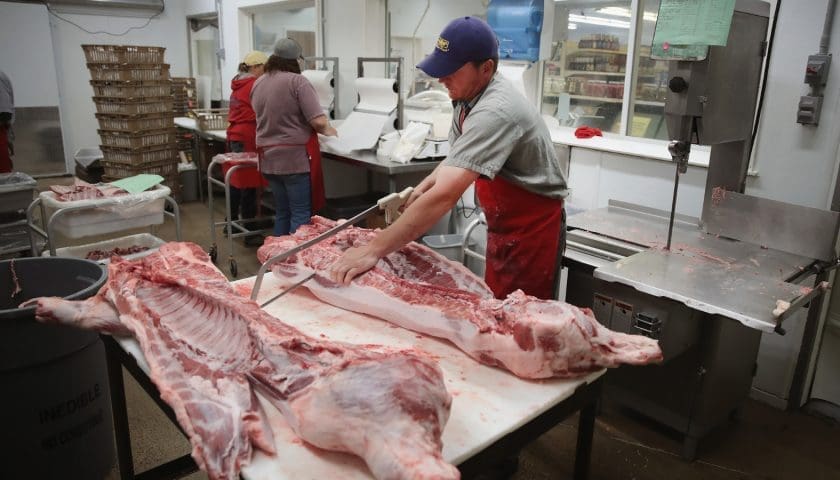
CHINA – China reported a year-end rebound in pork production after fourth-quarter output rose by an estimated 7 percent from a year earlier, a gain that on the surface suggests recovery but on closer inspection shows deeper adjustments within the country’s hog sector.
Slaughter Activity Behind the Increase
According to market analysts, the production rise was driven mainly by a faster pace of hogs being sent to market, as producers reacted to tight margins, uneven feed costs, and the need to control herd size rather than signaling confidence in long-term profitability.
As a result, the increase appears to represent supply being advanced into the market to manage near-term risk, a pattern that has previously led to periods of reduced hog availability once breeding inventories and on-farm stocks are brought back into balance.
Even with stronger output in the final months of the year, China’s pork industry continues to face ongoing structural pressures that shape producer behavior and limit the durability of production gains.
Price swings remain frequent, making revenue planning difficult for farmers, while disease concerns, including persistent endemic threats, continue to influence decisions around herd retention and culling.
Government measures aimed at smoothing market fluctuations have helped prevent extreme price moves, but these interventions have not removed uncertainty or eliminated the need for producers to make defensive production choices.
Trade Signals for Exporters
For global pork exporters, the late-2025 production increase sends mixed signals, since higher domestic supply in China can curb import demand in the short term even as rapid slaughter raises the risk of tighter supplies later in the year.
Industry observers note that China’s import requirements often change quickly in response to internal supply shifts, meaning accelerated herd reduction now could create renewed buying interest later in 2026 if domestic availability tightens.
Canada and the United States remain especially exposed to these changes, as China’s purchasing patterns have historically responded more to immediate supply conditions than to long-range procurement strategies.
For producers outside China, analysts say the headline production figure matters less than the direction of herd numbers, breeding stock data, and policy signals, which together will determine whether current output levels can be sustained.
Looking ahead, China’s fourth-quarter pork production rise is increasingly viewed as a recalibration phase rather than a sign of lasting growth, leaving its internal market balance a central factor shaping prices and trade flows across the global pork sector in 2026.
Sign up HERE to receive our email newsletters with the latest news and insights from Africa and around the world, and follow us on our WhatsApp channel for updates.