
Faspol Africa signs feasibility deal for cold storage of Guinean mangoes
Its first African contract was in Ghana in 2015, supplying an ice production plant for Thai Union’s tuna processing facility in Tema.
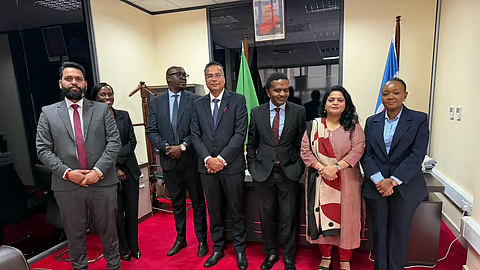
GUINEA – Faspol Africa, a sustainable cooling solutions provider affiliated with Poland’s Faspol Group, has signed a memorandum of understanding with Guinea’s Ministry of Agriculture to explore upgrades to the country’s mango-preservation infrastructure, the ministry said.
Signed on 22 October, the agreement calls for technical feasibility studies to begin in November 2026.
The studies will identify priority production areas, assess cold storage and preservation capacity requirements, and strengthen technical skills among local industry operators.
However, the ministry has not disclosed the project’s estimated cost, planned refrigeration capacity or financing arrangements.
Data published by Guinea’s Ministry of Planning in July 2026 put post-harvest losses for roots, tubers, fruits, and vegetables at 40% to 50%, partly due to inadequate storage facilities, weak energy and logistics infrastructure, and deteriorating road conditions.
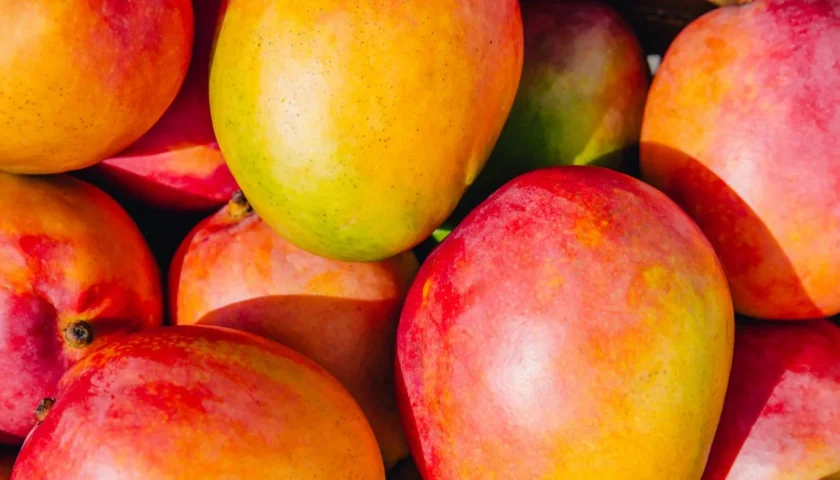
The mango industry faces particularly severe challenges: a 2021 publication by the Enhanced Integrated Framework, a World Trade Organization-associated partnership programme, estimated post-harvest losses for mangoes in Guinea at 60% to 85%, depending on the producing region.
For a mango exporter, losses at that level mean that most harvested fruit never reaches a buyer, compressing revenue and limiting the volume available for export contracts.
Meanwhile, Faspol’s track record in Africa is focused on dairy and fisheries rather than horticulture. In 2023, the company secured a contract to supply 385 milk-cooling installations to collection centers in Rwanda, financed by a €22.6 million (US$26.4 million) buyer’s credit from Poland’s state-owned development bank, BGK, to Rwanda’s Treasury.
Previously, Faspol won a 2016 contract in Kenya to supply 350 milk-cooling installations, which were executed between 2017 and 2020 under a Poland-Kenya economic cooperation framework. Its first African contract was in Ghana in 2015, supplying an ice production plant for Thai Union’s tuna processing facility in Tema.
That background matters because mango cold storage differs from milk cooling, which has higher throughput, shorter holding periods, and greater sensitivity to temperature fluctuations.
Therefore, the feasibility studies must assess whether Faspol’s equipment and operating model can scale to fresh produce.
Lastly, the financing structure will also determine viability, as the Rwanda model relied on a state-backed buyer’s credit rather than on commercial lending.
Sign up HERE to receive our email newsletters with the latest news and insights from Africa and around the world, and follow us on our WhatsApp channel for updates.