
GCC meat, poultry, and fish sector thrive as food sector reaches US$40B, grows 5.1%
Trade growth and limited farmland shape regional supply
MIDDLE EAST – The Gulf Cooperation Council’s food sector generated US$40 billion in 2024.
This marks a 5.1% increase from the previous year, according to data released by the GCC Statistical Center.
Livestock remained a core component of the sector, with goats accounting for 64.4% of herds in Oman, 44.4% in the United Arab Emirates, and 70.4% in Saudi Arabia, while Kuwait, the UAE, and Oman represented 10.8%, 9.4%, and 8.2%, respectively, of total livestock distribution.
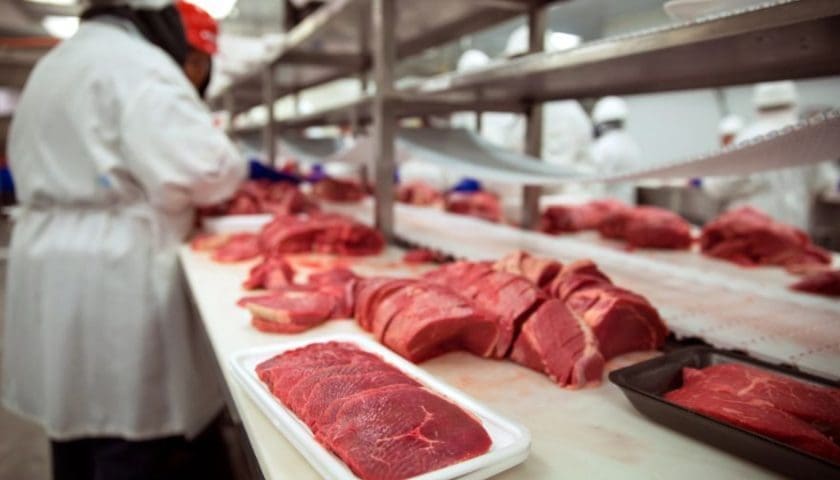
Meat supply growth was closely tied to poultry production, with chicken output reaching about 1.6 million tons in 2024, a 17.9% increase from 2023, as production volumes rose across the region.
Fish production also expanded to approximately 1.1 million tons, a 12.2% increase from the previous year and signalling continued growth in the fisheries segment.
Crop output contributed to overall supply, with plant production rising to 12.7 million tons from 12.2 million tons in 2023, while vegetables accounted for 45.8% of total volumes.
Trade activity followed the same trend, as exports of agricultural and fisheries products climbed to US$7.8 billion, a 17.5% increase, while imports rose to US$38.7 billion, up 10.1%.
Trade and Regional Supply
Trade within the bloc also increased, with bilateral agricultural exports reaching US$4.8 billion in 2024, up from US$4.5 billion in 2023, while intra-GCC exports grew 13.3% to US$214.4 million.
Despite the rise in production and trade, agricultural land remains constrained, with only 9.2 thousand square kilometres, or 0.4% of the GCC’s total area of 2.4 million square kilometres, currently used for farming.
Policy and Production Framework
The sector’s performance is linked to coordinated policies under the Gulf Joint Program, which focuses on agricultural planning, resource management, and the development of production across member states.
Regulatory alignment across the GCC covers seeds, fertilisers, soil inputs, pesticides, organic production, and plant genetic resources, alongside efforts to strengthen statistical systems and planning capacity in national institutions.
Sign up HERE to receive our email newsletters with the latest news and insights from Africa and around the world, and follow us on our WhatsApp channel for updates.