

Ghana caps container charges at US$35 per TEU, slashing fees from US$165
According to association estimates, Container Administrative Charges reached approximately GH₵1.69 billion (US$108 million) in 2024.
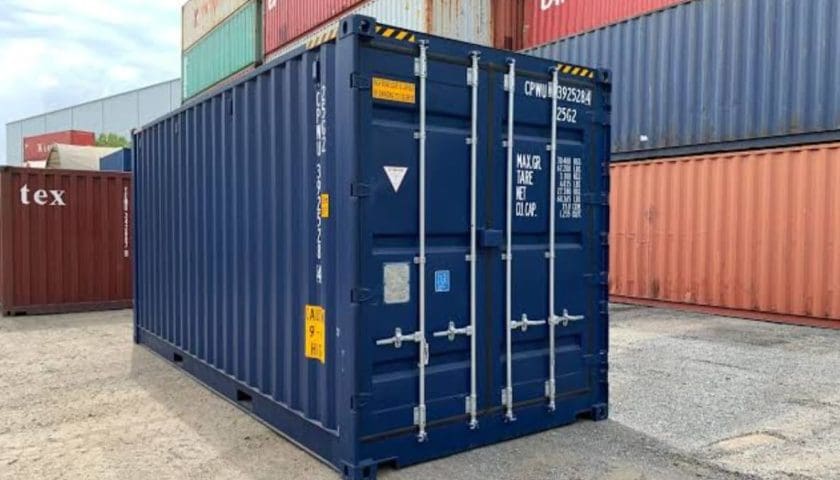
GHANA – The Ghana Shippers’ Authority has issued a directive to reduce and cap Container Administrative Charges at the country’s ports, setting a limit of GH₵550 (US$35) per Twenty-Foot Equivalent Unit, effective 1 May 2026.
For fresh produce exporters and food logistics investors, this regulatory shift addresses longstanding cost burdens that have eroded Ghana’s competitiveness as a regional trade hub.
Why the Cap Was Needed
The Importers and Exporters Association of Ghana has expressed support for the directive, describing the intervention as “timely and long overdue.” The association stated that shipping lines have been requiring Ghanaian businesses to “pay twice for the same service,” noting that costs such as port dues and terminal handling are already included in freight rates.
“Ghanaian businesses have, for years, been burdened by excessive, opaque and unjustified charges imposed by international shipping lines and their local agents,” the association stated.
Regional Comparison and Cost Impact
According to association estimates, Container Administrative Charges reached approximately GH₵1.69 billion (US$108 million) in 2024.
The association pointed to differences across the region, noting that neighbouring countries such as Togo, Benin, Côte d’Ivoire, and Nigeria charge between US$30 and US$68 per container, while fees in Ghana can reach US$165 per TEU.
The association explained that the charge was introduced in the 1980s when port infrastructure was limited. With current port automation and upgrades in Tema and Takoradi, it stated that the original justification for the fee is no longer applicable.
Implementation and Compliance
The association addressed reports of resistance to the new cap, stating, “Attempts to resist or undermine this reform through threats or pressure tactics will not succeed.” It added that such actions are linked to efforts to maintain foreign exchange outflows related to freight and demurrage.
The directive is described as a measure that allows operational continuity while limiting cost increases for importers. As the implementation date approaches, the association is calling for compliance across all stakeholders, with further regulatory action possible if required.
What This Means for Food Trade
For fresh produce importers and exporters, lower container charges reduce overall logistics costs for perishable goods moving through Tema and Takoradi ports.
A cap of US$35 per TEU brings Ghana in line with regional competitors, restoring its attractiveness as a transit hub for landlocked neighbours. Lower costs also benefit consumers, as reduced shipping expenses translate into more affordable imported and exported food products.
Sign up HERE to receive our email newsletters with the latest news and insights from Africa and around the world, and follow us on our WhatsApp channel for updates.