

Japan’s pork industry to stay steady despite inflation and supply challenges – USDA FAS
Local production remains consistent as imports dip and consumers shift towards affordable options.
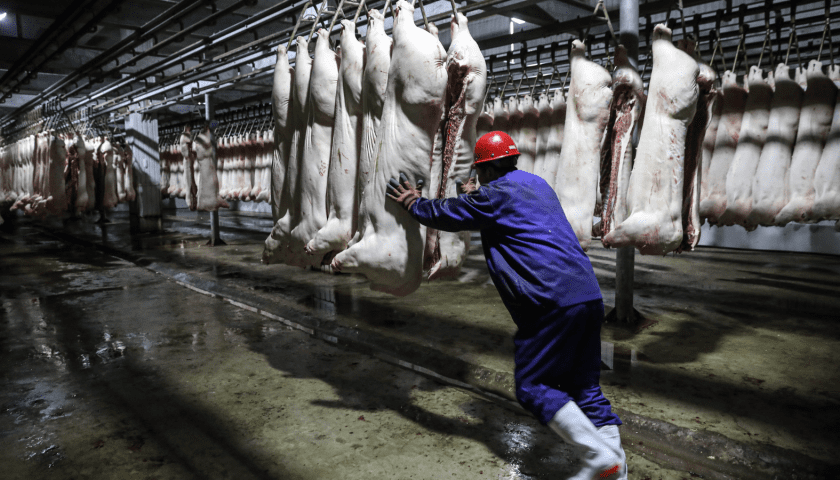
JAPAN – Japan’s domestic pork production is expected to remain consistent in 2025 even as inflation continues to influence consumer purchasing habits and transport logistics remain under pressure.
According to a recent report from the U.S. Department of Agriculture’s Foreign Agricultural Service (USDA FAS), farmers in Japan are maintaining herd sizes and prioritizing stable production rather than expansion.
Although there was a slight decline in sow numbers in 2024, steady slaughter rates and uniform carcass weights have helped keep output levels firm.
Higher feed costs, which remain above pre-pandemic levels, continue to affect producers, but the elevated carcass prices have offset some of these pressures.
The sector also avoided major disruptions last year, with no serious disease outbreaks reported, allowing operations to run without significant setbacks.
Imports slow as cold storage space tightens
Japan’s pork imports are projected to decline modestly in 2025 following a rise in end-of-year inventories in 2024.
Limited capacity in cold storage facilities and a shortage of truck drivers have prompted importers to reduce volumes and focus on more manageable supply levels.
As a result, demand has shifted toward more affordable frozen pork, especially from Brazil, where import volumes surged by 124% compared to the previous year.
Meanwhile, imports of chilled and processed pork have decreased, as rising prices and shifting consumer tastes influence trade decisions.
Pork remains a key protein on Japanese menus
Despite rising living costs, pork continues to be a preferred choice among consumers, with retail per capita consumption holding steady at 7.6 kilograms in both 2023 and 2024.
Rather than cutting back on quantity, shoppers have been opting for cheaper cuts, keeping overall demand unchanged.
In the foodservice sector, especially in Chinese restaurants, pork sales rose by 11% in 2024, outperforming the average growth in the hospitality industry.
At the same time, more expensive proteins like beef have seen a decline in consumer spending, reinforcing pork’s place as a dependable household protein.
Looking ahead, the market for pork in Japan appears stable, with the protein remaining accessible for both everyday meals and foodservice offerings amid ongoing economic adjustments.
Sign up HERE to receive our email newsletters with the latest news and insights from Africa and around the world, and follow us on our WhatsApp channel for updates.

