

Kenya exits COMESA sugar safeguard after 24 years as industry enters Nnew competitive phase
The move signals a shift from trade protection toward competitiveness, diversification, and regional integration in Kenya’s sugar sector.
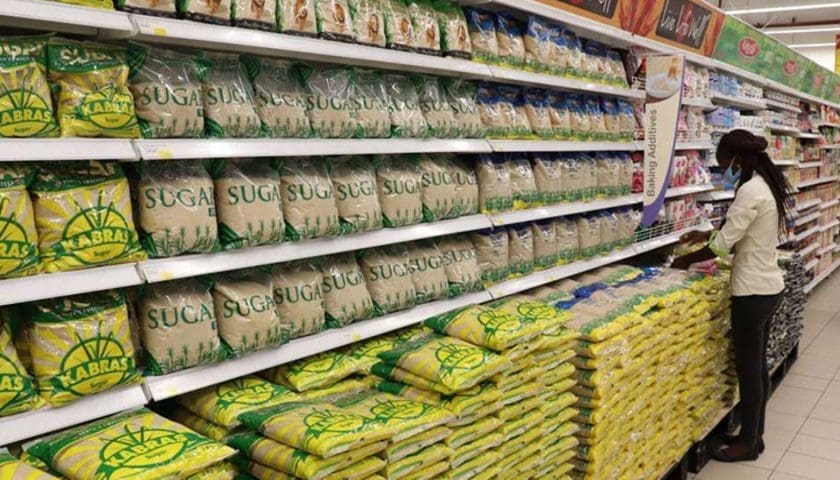
KENYA – Kenya has formally exited the Common Market for Eastern and Southern Africa (COMESA) Sugar Safeguard regime after 24 years, marking a major milestone in the country’s efforts to reform and stabilise its sugar industry.
The safeguard, which expired on November 30, 2025, was introduced as a temporary trade protection mechanism to shield the domestic sugar sector while allowing time for restructuring and improved competitiveness within the regional market. Its conclusion reflects government confidence that the industry has made sufficient progress to operate within the COMESA Free Trade Area.
Authorities have assured farmers, millers, workers, and investors that the transition away from the safeguard will not destabilise the sector. Instead, the move is intended to demonstrate the industry’s increased readiness to compete regionally under clearer policy and regulatory frameworks.
The Kenya Sugar Board (KSB) said the safeguard had achieved its reform objectives. Over its 24-year lifespan, the measure was extended eight times, during which Kenya implemented benchmarks set by the COMESA Council of Ministers. These included tariff-rate quotas, investments to improve farm and factory productivity, infrastructure development, and continuous monitoring of sector performance.
According to the Board, the end of the safeguard marks the close of a reform cycle and the beginning of a new phase focused on competitiveness, value addition, sustainability, and deeper regional integration.
In recent years, policy direction has shifted away from trade protection toward efficiency and diversification. The Ministry of Agriculture, working through the Kenya Sugar Board, has encouraged millers to reduce reliance on table sugar by adopting integrated industrial processing models.
Globally, sugarcane is increasingly treated as an industrial raw material rather than a single-output crop. In several producing countries, refined sugar represents only part of the value chain, with additional revenues generated from ethanol derived from molasses, electricity from bagasse, paper and board production, and industrial alcohols. Such integrated models help lower production costs and enhance competitiveness.
The Kenya Sugar Board says similar diversification initiatives are being supported locally, with millers encouraged to expand by-product processing to improve cash flows and enhance payments to farmers.
On the production front, Kenya’s sugar sector has recorded significant growth. Sugarcane acreage expanded by 19.4 percent, from 242,508 hectares to 289,631 hectares, driven by favourable rainfall, improved access to certified seed cane, and fertiliser subsidy programmes.
National sugar output rose from 472,773 metric tonnes in 2022 to 815,454 metric tonnes, according to official data. Kenya’s annual sugar demand is estimated at about 1.1 million metric tonnes, meaning domestic production has narrowed but not eliminated the supply gap.
The government says that while capacity expansion and factory rehabilitation continue, local production will be supplemented through controlled imports from COMESA and other approved sources.
Officials note that this approach is intended to balance consumer price stability, producer certainty, and national food security.
Looking ahead, authorities maintain a positive medium-term outlook, citing expected gains in farm productivity, expanded milling capacity, and the leasing of former state-owned mills to private operators to improve efficiency and investment.
Regulatory oversight and farmer protection measures, officials say, will continue under the Kenya Sugar Board.
Sign up HERE to receive our email newsletters with the latest news and insights from Africa and around the world, and follow us on our WhatsApp channel for updates.

