
Morocco reaches 2026 beef import quota of 300,000 cattle
Drought, declining livestock numbers and elevated red meat prices are keeping pressure on Morocco’s meat supply chain.
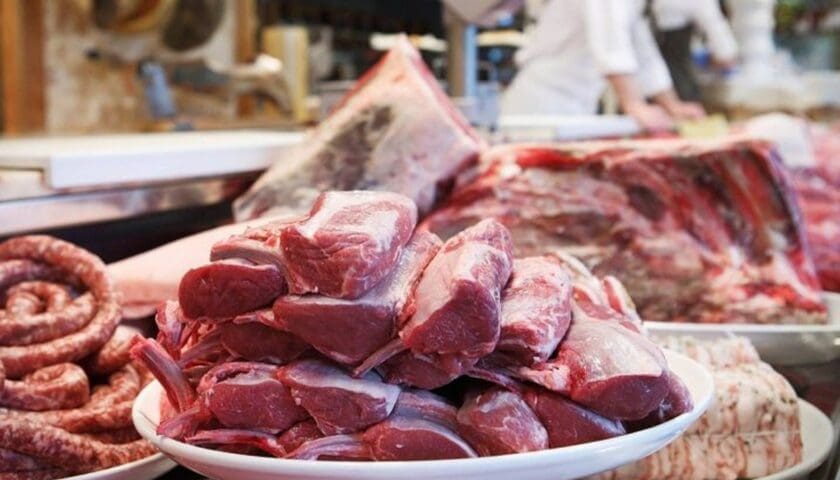
MOROCCO – Morocco has reached its 2026 quota of 300,000 cattle imported for slaughter, including animals covered by valid customs exemptions that remain in the import pipeline, according to the Ministry of Agriculture, Maritime Fisheries, Rural Development, and Water and Forests.
The country imported an average of approximately 24,000 cattle per month, although volumes fluctuated considerably throughout the year.
Imports exceeded 44,000 head in both June and July before declining to around 17,000 in August and September.
A total of 37 companies participated in the import programme, with more than 90% of cattle sourced from Brazil, where supplies were more readily available than in European markets.
Import applications also increased in October following the opening of imports from Portugal, whose geographical proximity offers potential logistical advantages.
According to the ministry, the additional supplies helped maintain red meat availability and contributed to price stability across domestic markets.
Drought intensifies livestock supply challenges
Morocco’s reliance on imported cattle reflects persistent challenges in its domestic livestock sector. Repeated droughts have reduced livestock numbers, while shortages and rising prices of locally produced and imported animal feed have increased production costs for farmers.
The ministry said these pressures encouraged some livestock producers to slaughter female cattle, further reducing the breeding population and limiting the supply of animals available for future meat production.
To ease supply constraints, the government suspended customs duties and value-added tax on imports of 300,000 cattle for 2026.
The measures remain in force until 31 December under Decree No. 2.25.720, issued on 29 August 2025, and Article 2 of the 2026 Finance Law.
The import programme was opened to all importers and industry professionals on 2 February without requiring prior authorisation.
Applications for customs exemptions are submitted through the PORTNET platform and processed in order of receipt, reportedly within less than 24 hours. Each exemption remains valid for one month.
Meat prices remain elevated
Despite the import initiative, consumers continue to face high red meat prices following several years of drought and declining domestic livestock numbers.
In 2025, King Mohammed VI called on Moroccans to refrain from performing the Eid Al Adha sacrifice because of the strain on livestock resources and household finances. The sacrifice resumed in 2026, although meat prices remained elevated.
In August, beef sold for between MAD 90 and MAD 120 per kilogram, while lamb prices ranged from MAD 140 to MAD 160.
The quota’s exhaustion highlights the continuing importance of international livestock suppliers to Morocco’s meat industry.
Sustained improvements in domestic herd numbers, feed availability and livestock productivity will be important to reducing import dependence and strengthening the resilience of the country’s meat supply chain.
Sign up HERE to receive our email newsletters with the latest news and insights from Africa and around the world, and follow us on our WhatsApp channel for updates.