
OK Zimbabwe enters corporate rescue after supplier credit withdrawal leaves stores without stock
Supplier credit freeze and mounting debt triggered a nationwide inventory crisis.
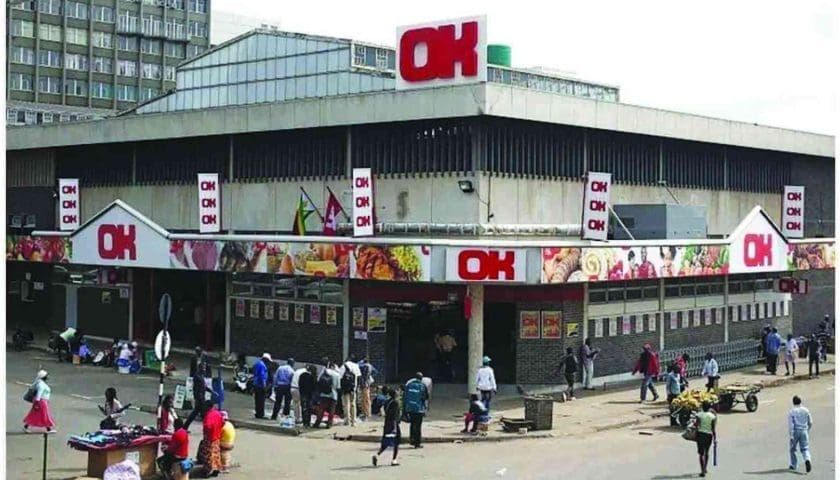
ZIMBABWE – OK Zimbabwe has been placed under corporate rescue after suppliers stopped extending credit earlier this year, leaving the retailer unable to replenish stock and forcing the company to seek legal protection from creditors.
The company entered corporate rescue on February 24, 2026, while the Zimbabwe Stock Exchange suspended trading in its shares on the same day following the board’s resolution to initiate the insolvency protection process.
The crisis escalated during the first two weeks of February 2026, when major suppliers halted deliveries due to unpaid balances, quickly emptying store shelves and cutting off the retailer’s daily revenue stream.
As a result, the company turned to provisions under the Insolvency Act that allow struggling businesses to restructure under the supervision of an appointed practitioner who now manages operations while assessing whether the business can recover.
Founded 83 years ago, OK Zimbabwe operates one of the country’s largest supermarket networks, with 69 outlets, and manages three retail formats serving different customer segments.
These include the mass-market OK Stores chain, the higher-end Bon Marché brand, which operates eight stores in Harare, and OKmart outlets that focus on wholesale-style bulk purchases.
Financial losses and store closures
The retailer’s difficulties intensified throughout 2025 as delayed supplier payments accumulated, eventually prompting many suppliers to cut ties with the company at the beginning of 2026.
Financial records for the fiscal year ending March 31, 2025, show that OK Zimbabwe reported an audited net loss of US$25.03 million, while annual revenue dropped 52% to US$245 million.
The collapse in product availability across stores worsened the company’s liquidity position because empty shelves prevented regular sales, which typically sustain supermarket cash flow.
Earlier restructuring steps had already been underway as the company shut down 11 stores across the country to limit operating losses, reducing its total footprint to 62 outlets.
During the same period, three Food Lover’s Market franchise locations were closed after agreements were not renewed, while three more outlets were also being prepared for closure.
Management redirected inventory and operational resources toward higher-performing branches to maintain turnover and protect the company’s remaining revenue base.
Debt burden and restructuring plans
The retailer currently carries more than US$30 million in debt and plans to raise US$20 million through a renounceable rights issue while also selling selected freehold properties expected to generate US$10.5 million.
OK Zimbabwe attributed its financial problems to supply disruptions, currency volatility, reduced consumer spending, liquidity shortages, and increasing competition from informal traders.
The company also faced pressure after the introduction of the Zimbabwe Gold currency on April 5, 2024, which required formal retailers to price goods using official exchange rates, while many informal traders sold products using higher parallel market rates.
That pricing gap weakened OK Zimbabwe’s competitiveness and led to losses as the company struggled to match the lower prices in the informal sector.
Sign up HERE to receive our email newsletters with the latest news and insights from Africa and around the world, and follow us on our WhatsApp channel for updates.