
Rising diesel costs force 80% of fishing vessels out of operation in Nigeria
Fish supply tightens as fuel expenses push operators out of the market
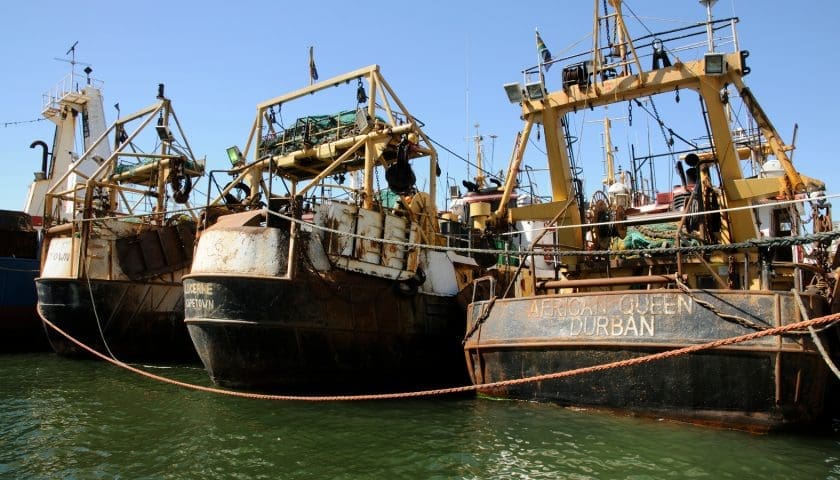
NIGERIA – Nigeria’s fishing industry is facing major disruption after a large share of trawling vessels halted operations as diesel prices surged, cutting output and pushing fish prices higher across major markets.
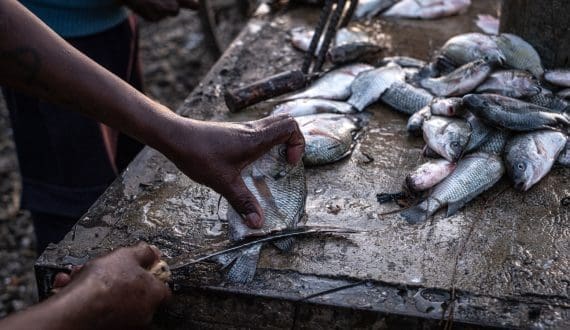
Market checks at the Ijora Fish Market indicate reduced deliveries from local trawlers, a shift that has tightened supply and driven up retail prices in several urban trading centres.
Oladele Robinson, National Executive Secretary of the Fisheries Cooperatives Federation of Nigeria, said both small-scale fishers and industrial operators are struggling under rising fuel costs that have made routine fishing activities difficult to sustain.
He explained that artisanal fishers depend on Premium Motor Spirit while industrial trawlers run entirely on diesel, also known as Automated Gas Oil, leaving operators with no practical alternative fuel options.
Industry participants noted that long fishing expeditions lasting up to 50 days are now frequently unprofitable, as catches often fail to cover fuel and other operating expenses.
Diesel prices have increased from about ₦900 (US$0.56) per litre to between ₦1800 and ₦2000 (US$1.13–US$1.25), more than doubling fuel expenditure for vessel owners across the sector.
As operating costs climb, many trawler owners have opted to keep their vessels docked rather than continue running trips that result in consistent financial losses.
Stakeholders have raised concerns that reduced fish supply could affect household nutrition and food affordability, given the role of fish as a key protein source for many families.
Industry projections suggest that close to 10,000 direct and indirect jobs tied to fishing operations, processing, and distribution could be at risk if the situation continues without intervention.
Some of the pressure has been linked to disruptions in global oil markets, including geopolitical tensions involving Iran that have affected energy supply chains and pricing stability.
Operators and stakeholders are calling for policy measures such as targeted subsidies or financial support programmes, arguing that the sector remains heavily dependent on diesel and has limited short-term capacity to adjust.
Sign up HERE to receive our email newsletters with the latest news and insights from Africa and around the world, and follow us on our WhatsApp channel for updates.