South Africa increases rock lobster catch quota amid ongoing poaching crisis
The government raises the total allowable catch by nearly 60%, but illegal fishing continues to threaten kreef recovery.
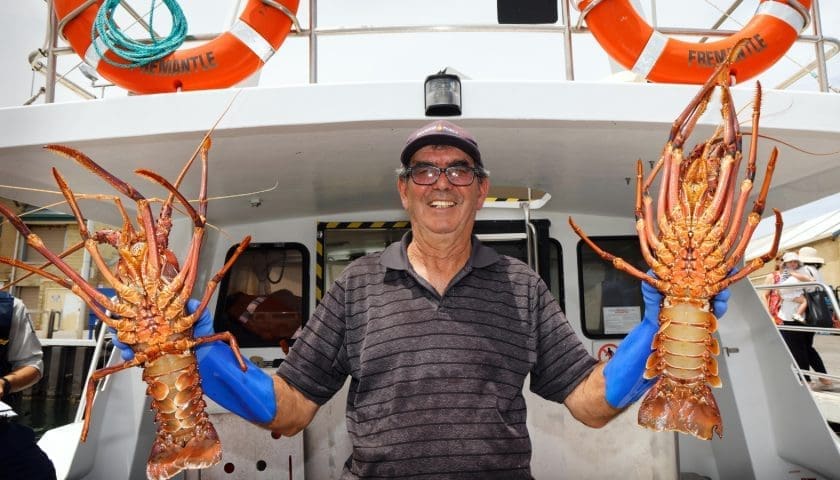
SOUTH AFRICA – South Africa’s government has approved a major increase in the total allowable catch for West Coast rock lobster for the 2025/26 season, raising it from 505 tons to 800 tons, an increase of more than 58%.
The decision follows a slight rise in rock lobster stocks for the second year in a row, giving authorities confidence to expand quotas for a fishery that has faced years of decline.
Rock lobster, commonly known as kreef, ranks as South Africa’s third most valuable fishery after hake and small pelagic species such as sardines and anchovies, generating about US$27 million (R500 million) annually and supporting roughly 4,300 jobs along the West Coast.
However, scientists warn that despite the larger quota, the species remains severely overexploited, with stocks currently estimated at only 1.4% of what existed in 1910.
Government scientists say strict limits, including a shorter four-month fishing season starting 15 November, are needed to protect the population during its moulting period and to reduce poaching opportunities.
Illegal harvesting remains one of the biggest threats to the resource, with some estimates suggesting that the black-market trade is at least twice the size of the legal catch.
Historically, kreef stocks have plummeted from catches of up to 18,000 tons in the 1950s to less than 400 tons last year, when only 85% of the permitted quota was landed legally.
Although there has been a minor recovery since 2023, the Department of Forestry, Fisheries and the Environment (DFFE) maintains that the resource is still in a critical state and requires ongoing recovery efforts.
Setting quotas remains a difficult balancing act for the government, which must weigh the need to restore the species against the economic realities facing fishing communities that depend heavily on kreef.
The quota recommendation was based on findings from the Rock Lobster Scientific Working Group, led by crustacean researcher Dr. Lutz Auerswald, which reported small but continued improvements across most fishing zones.
The scientists cautioned that while the data showed a positive trend, urgent steps were still needed to curb poaching and improve compliance.
Industry reactions have been mixed, with commercial fishers welcoming the higher allocation as long-awaited relief after years of reduced quotas.
At the same time, small-scale fishing advocates, including the Masifundise Development Trust, described the increase as a necessary boost for coastal livelihoods but agreed that conservation measures must continue to prevent another collapse.
Sign up HERE to receive our email newsletters with the latest news and insights from Africa and around the world, and follow us on our WhatsApp channel for updates.