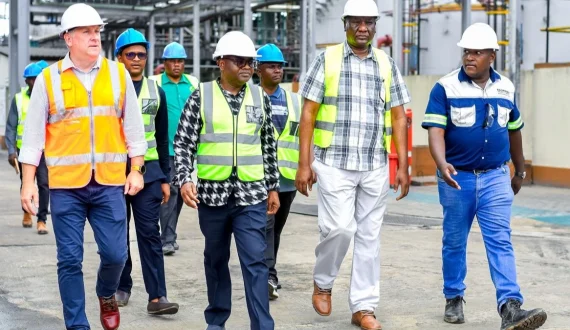

South African Canegrowers Association warns Tongaat Hulett liquidation could cost Jobs, increase sugar imports
Growers urge government intervention to prevent collapse of key sugar producer.

SOUTH AFRICA – The South African Canegrowers Association (SA Canegrowers) has warned that the potential collapse of Tongaat Hulett could result in widespread job losses, deepen rural poverty and increase South Africa’s dependence on sugar imports.
Ahead of the company’s provisional liquidation hearing scheduled for 27 February, SA Canegrowers wrote to President Cyril Ramaphosa and ministers responsible for finance; trade, industry and competition; agriculture; and public works and infrastructure, urging urgent intervention.
Speaking to Farmer’s Weekly, SA Canegrowers CEO Thomas Funke said an unfunded liquidation would have immediate consequences.
“It would mean that Tongaat Hulett’s three KwaZulu-Natal mills [Maidstone, Amatikulu, and Felixton] would stop operating as normal, be unable to sell the refined sugar already produced, and therefore generate no income, severely constraining cash flow,” he said.
Funke noted that 18,000 of South Africa’s 28,100 cane growers rely exclusively on Tongaat Hulett’s mills to process their cane.
“The majority of [the 18,000] are small-scale growers, who will have no alternative milling options and will not earn any money for their sugar cane,” he added.
SA Canegrowers estimates that about 40,000 workers employed directly by these growers could face immediate unemployment, with rural communities in KwaZulu-Natal and Mpumalanga particularly vulnerable to economic and social instability.
Funke warned that losing Tongaat Hulett’s milling capacity would push the country towards long-term sugar imports.
“Tongaat Hulett is the largest producer of white sugar in South Africa, which is used by confectionery, biscuit, and beverage manufacturers,” he said. He added that if manufacturers are forced to import white sugar, domestic demand would decline sharply, destabilising the entire industry.
While global sugar prices are currently low, Funke cautioned that they remain volatile. “The world sugar price fluctuates and is vulnerable to droughts, floods, climate shocks, and global supply chain disruptions,” he said, warning that import dependence would expose the country to unpredictable price increases and inflationary risks.
SA Canegrowers stressed that stabilising operations would be more cost-effective than rebuilding a collapsed value chain.
“If the liquidation goes ahead, it must be funded, meaning sugar will continue to be crushed and milled, keeping 18,000 growers in business,” Funke said. “The underlying value of the company rests in functional, operating assets – mills that are running, cane being processed, and sugar flowing to the market.”
The association noted that the Department of Trade, Industry and Competition is opposing the liquidation and called for renewed commitment to the Sugar Value Chain Master Plan 2030.
It urged government to review the sugar import reference price, ensure mills remain operational through the Industrial Development Corporation, scrap the Health Promotion Levy, and support diversification initiatives including sustainable aviation fuels.
Sign up HERE to receive our email newsletters with the latest news and insights from Africa and around the world, and follow us on our WhatsApp channel for updates.