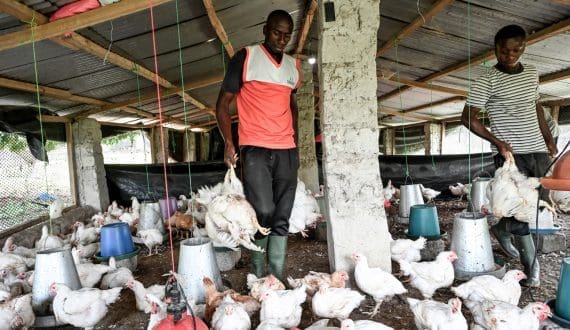

South African Poultry Association urges removal of VAT on chicken
Proposal aims to make chicken more affordable for low-income households and improve access to protein.
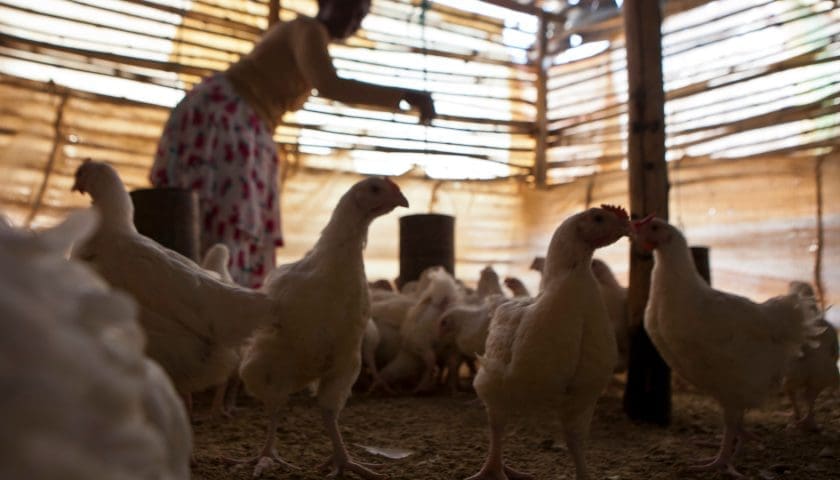
SOUTH AFRICA – The South African Poultry Association (SAPA) has requested the government to remove the 15% value-added tax on chicken, saying the move would help families access affordable animal protein.
SAPA highlighted that chicken is the main source of animal protein for the country’s seven lowest-income groups and provides essential nutrients like iron, zinc, and vitamin B12.
Currently, the VAT increases the cost of chicken, reducing its affordability for households already facing high food prices.
The association argued that eliminating the tax could make a staple protein source more reachable for families and improve daily nutrition.
Rising living costs have intensified the call for change, as the average cost of a household food basket in South Africa has reached about US$296, while the national minimum wage is around US$288.
Households relying on social grants often struggle to meet nutritional needs, with many unable to cover the full cost of basic food, transport, and utilities.
Nutritionists warn that limited access to protein can have serious consequences for child growth, with protein-rich foods like chicken crucial for development.
South Africa continues to face high levels of child stunting and malnutrition, challenges closely linked to insufficient protein intake.
SAPA emphasized that zero-rating chicken could support better health outcomes and strengthen school feeding programs across the country.
The organization also noted potential economic benefits, suggesting that lower prices could increase demand for locally produced chicken and support the domestic poultry industry.
By encouraging higher production, the policy might generate opportunities for small-scale farmers and suppliers, offering additional income sources.
SAPA recommended that the VAT exemption focus on essential poultry products, such as bone-in frozen chicken and raw offal, which are most consumed by lower-income households.
Processed or ready-to-eat chicken products, which typically serve higher-income consumers, would remain taxed, ensuring the relief targets those who need it most.
The proposal has sparked discussion among policymakers and industry stakeholders about balancing public nutrition needs with tax revenue considerations.
Sign up HERE to receive our email newsletters with the latest news and insights from Africa and around the world, and follow us on our WhatsApp channel for updates.