South Africa’s FMCG retail sales reach US$42.4B in 2025 as consumer spending rises
Traditional trade outlets recorded faster growth than modern retail channels.
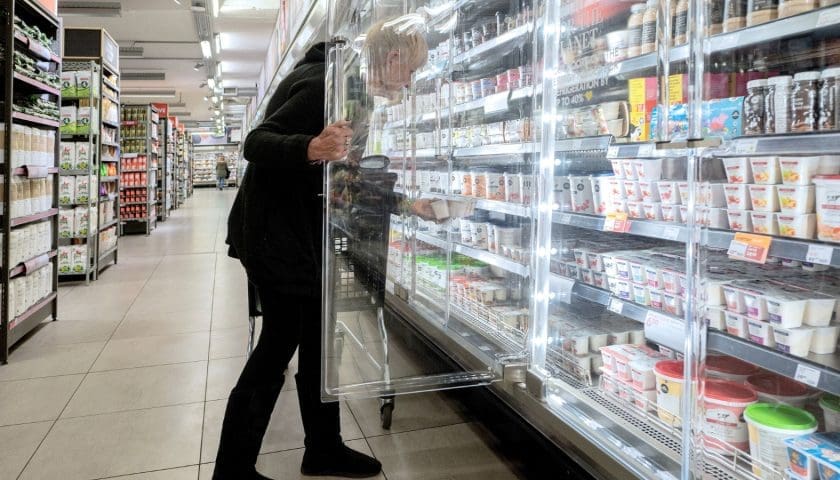
SOUTH AFRICA – South Africa’s fast-moving consumer goods sector recorded higher spending in 2025, with consumers purchasing goods worth about US$42.4bn (R683.3bn) across both traditional and modern retail outlets, according to the latest State of the Retail Nation analysis released by NielsenIQ.
The report indicates that retail sales value expanded by 5.7% during the year, while the number of units sold increased by 6.7%, showing that purchases grew beyond price changes in many product categories.
Zak Haeri, managing director for NielsenIQ South Africa, said the sector managed to continue growing despite persistent economic constraints, including high unemployment levels and weak economic expansion.
He explained that several supportive factors, such as a stronger rand and slower inflation, improved consumer purchasing power during the year, contributing to higher spending across many fast-moving consumer goods categories.
Haeri added that the improvement in real wages also encouraged consumers to increase purchases in several product segments, although global developments, including geopolitical tensions and rising commodity prices, could affect manufacturers and retailers later.
Food and beverages lead FMCG sales growth
Food products remained the largest category in the market during 2025, generating approximately US$15.3bn (R246.4bn) in retail sales while unit sales rose by 5.9%.
Meanwhile, the fastest growth was recorded in non alcoholic beverages, where sales increased by 7.5% to around US$6.0bn (R96bn) as the volume of products sold rose by 7.1%.
Snacking products also expanded quickly during the year, with sales rising 7.9% to roughly US$3.1bn (R50.2bn) and unit volumes climbing 13.5%.
Traditional retail outlets gain ground
Modern retail outlets, including supermarkets, franchised grocery stores and online platforms, accounted for the largest share of sales, with purchases totalling about US$31.8bn (R513.2bn) during the year.
Traditional retail channels such as spaza shops, taverns and independent convenience stores generated approximately US$10.5bn (R170.1bn) in sales.
However, sales growth was faster in traditional retail outlets, which Haeri attributed to the large number of such stores and their proximity to shoppers in many communities.
He said households are increasingly visiting stores more frequently while buying smaller quantities each time, which benefits local shops that sell in small pack sizes and are easier for customers to access.
The growth of traditional retail has also affected private-label products, whose share of total FMCG sales excluding tobacco and liquor declined to 17.7% in 2025 from 18.3% in 2024.
Private-label sales value increased by 4.1% to about US$6.6bn (R106bn), a slower pace than the 8.1% growth recorded in 2024, as branded manufacturers intensified promotions, introduced new products, and expanded distribution.
Looking ahead to 2026, Haeri said retailers and manufacturers may face higher consumer inflation again if supply chain disruptions or energy costs increase, particularly if geopolitical conflicts continue to affect global markets.
Sign up HERE to receive our email newsletters with the latest news and insights from Africa and around the world, and follow us on our WhatsApp channel for updates.