UK government to phase out cage systems for egg-laying hens
Plans also target painful lamb procedures and aim to align farming practices with public expectations.
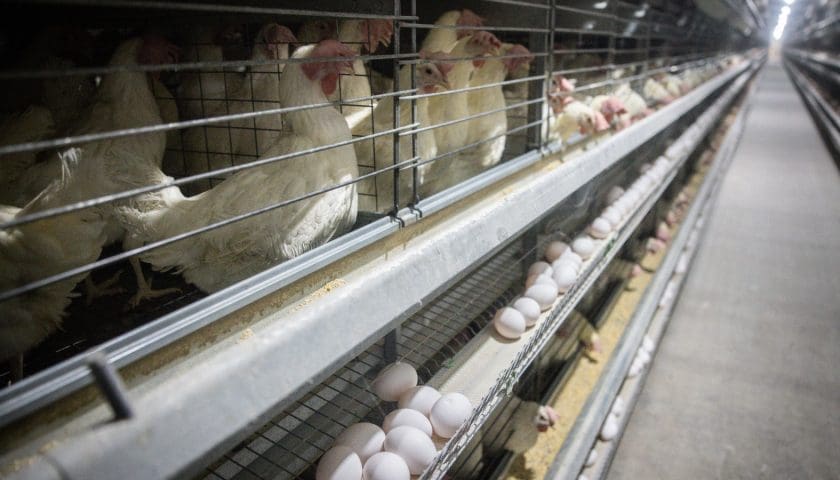
UK – The UK government has unveiled proposals to phase out colony cage systems for egg-laying hens by 2032, including small-scale producers.
Colony or enriched cages were introduced in 2012, following an EU directive that banned traditional battery cages and allowed birds slightly more space.
Animal welfare groups say hens in these cages remain severely confined, with up to 80 birds sharing space no larger than an A4 sheet of paper.
Government figures indicate that eggs from colony cage systems account for about 20 percent of the UK’s total supply.
Retailers, including Sainsbury’s and Aldi, have already committed to selling only cage-free eggs, reflecting widespread public demand.
An eight-week consultation will allow farmers and stakeholders to review the potential impacts of the phase-out on the agriculture sector.
Farming Minister Dame Angela Eagle said the government wants to improve animal welfare while helping farmers produce food sustainably and profitably.
Tighter Rules for Lamb Procedures
The government also proposed stricter rules on lamb procedures, such as castration and tail docking, which can cause significant pain when performed without anaesthetic.
The National Farmers Union urged the government to ensure imported food meets the same welfare standards to avoid disadvantaging UK farmers.
NFU president Tom Bradshaw said raising domestic standards must be accompanied by measures preventing lower-standard imports from entering the market.
Anthony Field, head of Compassion in World Farming, welcomed the plans, saying that phasing out cages has been long overdue, and called for a clear timeline.
The proposals respond to growing public concern over farm animal welfare and demands for more humane food production practices.
Farmers and consumer groups will be able to provide feedback during the consultation before final rules are set.
If adopted, the measures would transform UK egg production and sheep farming, aligning domestic operations with higher animal welfare expectations.
The government stressed its commitment to collaborating with farmers to balance welfare improvements with productive and sustainable agriculture.
The consultation’s results will guide how quickly the poultry sector can eliminate cages and how lamb procedures will be regulated.
Sign up HERE to receive our email newsletters with the latest news and insights from Africa and around the world, and follow us on our WhatsApp channel for updates.