Vietnam to invest US$23.7M in high-tech marine aquaculture to grow seafood exports
The country is looking to to modernize aquaculture sector as it targets US$1 billion in exports by end of 2025.
VIETNAM – Khanh Hoa province is currently channeling around US$23.7 million (₫600 billion) into high-tech marine aquaculture as part of a strategy to reach US$1 billion (₫25.3 trillion) in seafood export revenue by 2025, according to the Vietnam Association of Seafood Exporters and Producers (VASEP).
This investment is part of a broader plan by local authorities to expand high-tech marine aquaculture areas to 240 hectares by 2029.
Located along Vietnam’s central coast, Khanh Hoa has long been a center for fishing and aquaculture thanks to its extensive shoreline.
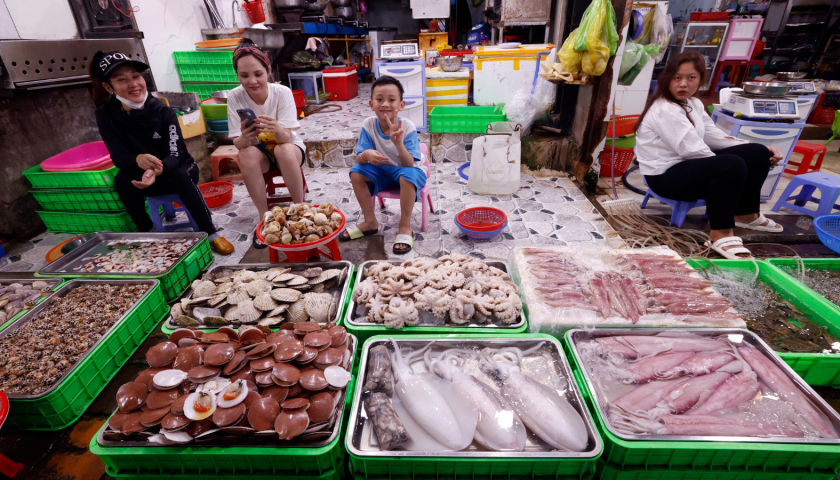
The province is known for its shellfish farms and seafood production facilities, which primarily serve both domestic and export markets.
VASEP reports that Khanh Hoa currently operates 3,416 fishing boats, including 633 long-distance vessels targeting tuna and other offshore marine species.
The region also plays a critical role in seafood processing, with 149 facilities serving the local market and 57 focused on processing products for export.
In 2024, the province’s seafood exports reached roughly US$850 million (₫21.5 trillion), showing an increase of nearly 27% compared to the previous year.
These exports accounted for between 35% and 44% of Khanh Hoa’s total export revenue during the same period.
Sector outlook and national trends
Vietnam’s aquaculture output in 2024 reached 5.3 million tons, with expectations that the figure will grow to 7.1 million tons by 2033, based on an annual growth rate of 3.15%.
The market continues to be dominated by freshwater fish, though key export items also include shrimp, pangasius, and molluscs.
In 2022, Vietnamese consumers were eating an average of 1.1 kilograms of shrimp and fish per month per person.
Aquaculture products made up a significant part of the country’s fisheries sector, even though 24% of the population reported not buying such products at all.
At the same time, 7% of consumers said aquaculture items made up the majority of their seafood purchases.
Despite minor fluctuations in recent years, per capita consumption of fish and shrimp has remained largely consistent across the country.
Sign up HERE to receive our email newsletters with the latest news and insights from Africa and around the world, and follow us on our WhatsApp channel for updates.