
Brazilian meatpackers reconsidering U.S. beef shipments amid new tariffs
Shipments under review as companies halt production and redirect exports
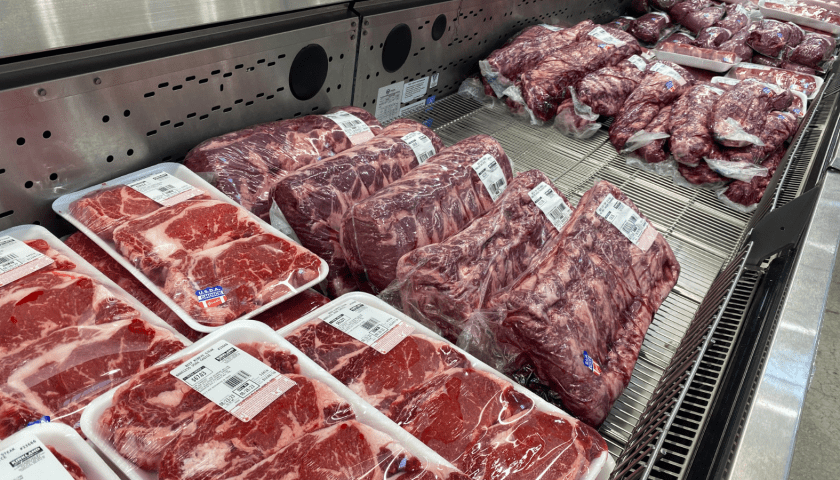
BRAZIL – Brazilian beef exporters are pausing shipments to the United States following the imposition of a 50% import tariff announced by U.S. President Donald Trump.
The tariff, which takes effect on August 1, has led to growing uncertainty in Brazil’s beef sector, prompting companies to reassess their trade strategies.
According to Roberto Perosa, president of Brazilian beef industry group ABIEC, private firms are currently evaluating whether to proceed with exports due to the higher duties.
This comes as the United States stands as Brazil’s second-largest buyer of beef products, behind China, based on trade volumes.
Market disruption and production halts
The tariff announcement caused immediate disruption in Brazil’s cattle market, with companies pulling back on cattle purchases amid unclear future demand, said Alcides Torres, a market consultant at Scot Consultoria.
He noted that the market reaction was swift and negative, saying that trading activity effectively stalled in response to the news.
Brazil accounts for around 23% of U.S. beef imports, according to data from Genial Investimentos, making the new tariff a significant blow to ongoing trade.
Since the policy shift, several meat companies have been adjusting logistics and reworking production plans to redirect shipments elsewhere, according to Perosa.
Some exporters have already decided to suspend production lines that were intended for U.S.-bound beef until further clarity emerges.
One of the companies hit hardest is Minerva Foods (BEEF3.SA), which derives approximately 5% of its net revenue—equivalent to about US$82 million—from exports to the United States, based on recent financial disclosures.
In a statement released after the tariff announcement, Minerva acknowledged the impact but declined to provide further comment on its plans moving forward.
To reduce exposure to rising U.S. trade barriers, the company had already moved a substantial quantity of meat to U.S.-based facilities earlier this year, according to an analysis by Genial.
Tariffs may push up U.S. beef prices
The United States has been relying more heavily on Brazilian beef in recent months due to a domestic cattle shortage, driving up import demand.
However, the new 50% tariff could result in higher costs for U.S. consumers, especially if Brazilian exports decline in response to the added financial burden.
As the August deadline approaches, both Brazilian exporters and U.S. buyers face a period of uncertainty, with market responses likely to depend on how trade flows evolve in the coming weeks.
Sign up HERE to receive our email newsletters with the latest news and insights from Africa and around the world, and follow us on our WhatsApp channel for updates.