South African livestock farmers face rising Foot and Mouth disease outbreaks
Livestock infections are spreading faster than vaccinations can be administered
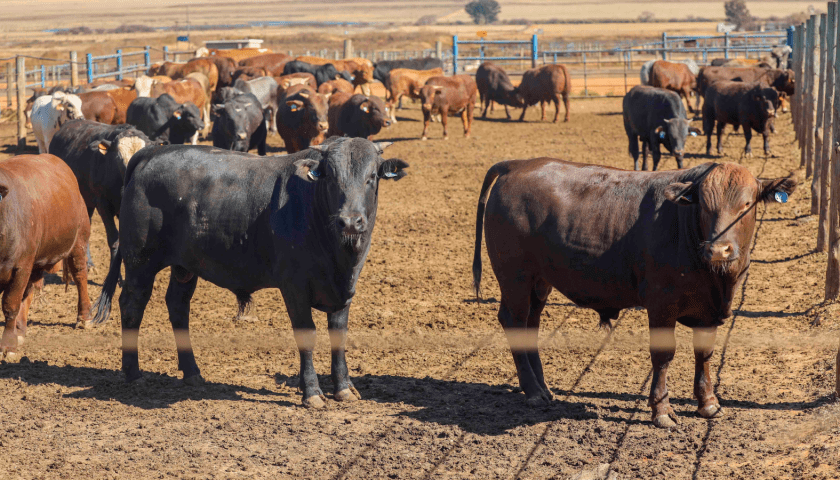
SOUTH AFRICA – Foot and mouth disease is spreading rapidly across South Africa, with infections rising faster than the available vaccines can cover.
Authorities have confirmed 270 outbreaks in five provinces, with only 21 brought under control while the rest remain unresolved.
Most new cases have been detected in the Free State and KwaZulu-Natal, with both commercial and small-scale farmers affected.
Agriculture Minister John Steenhuisen said the country is relying on vaccines from Botswana until local production is ready.
The Agricultural Research Council is finalizing a vaccine that can target three strains of the disease, but it is not yet in use.
Steenhuisen explained that in the short term, the government must secure more doses from the Botswana Vaccine Institute to expand coverage.
He added that the long-term goal is to have South Africa manufacture its own vaccines within two years, reducing reliance on imports.
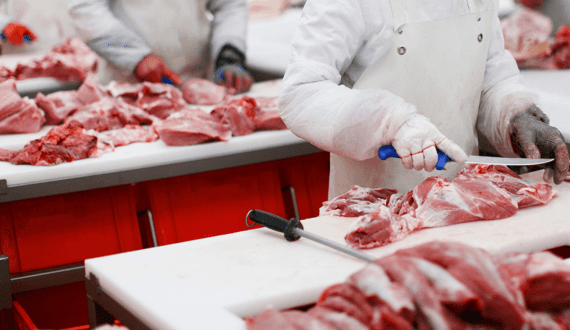
The minister also raised concerns about the effect of vaccinations on the “fifth quarter,” which refers to less expensive cuts of meat consumed by poorer households.
Current rules require the disposal of the fifth quarter from affected animals, although Steenhuisen noted that new research may allow safe treatment instead.
He said the Agricultural Research Council is assessing these findings to determine whether the fifth quarter can be salvaged for food security purposes.
Farmers, however, remain concerned as the disease continues to spread faster than vaccinations can keep pace.
Frikkie Maré, chief executive of the Red Meat Producers Association, said outbreaks are now appearing daily across farms and informal settlements.
He warned that once a farm is declared infected, livestock movements are halted, leaving producers with no income source.
Maré stressed that more vaccines are urgently required and questioned whether the Botswana Vaccine Institute can meet demand.
He said the association is exploring other potential suppliers to ensure quicker distribution across affected areas.
Farmers have also highlighted the need for solutions that allow vaccinated animals to return to markets after the 28-day waiting period.
Maré pointed to KwaZulu-Natal, where restrictions introduced in February have left many farmers without income for months.
He said some producers have not been able to sell livestock since the restrictions were imposed, deepening financial strain in the sector.
Sign up HERE to receive our email newsletters with the latest news and insights from Africa and around the world, and follow us on our WhatsApp channel for updates