Pureis lab-grown CBD moves into final regulatory phase in UK novel food process
The FSA’s draft risk management recommendations will undergo a 12-week public consultation before being finalised for approval by UK ministers.
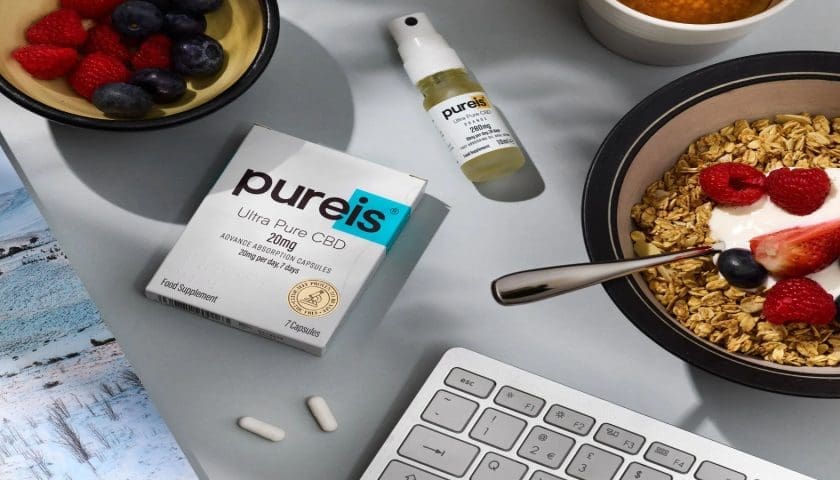
UK – Pureis, a pioneer in lab-grown cannabidiol (CBD), has advanced to the final stage of regulatory approval for its Ultra Pure CBD food supplement.
The company has now entered the public consultation phase of the UK’s Novel Food licensing process, a critical step toward full commercialization.
This milestone follows the brand’s recognition in May 2024 as the first lab-made CBD label to receive a Positive Safety Assessment from the UK Food Standards Agency (FSA).
Pureis says its product offers a more sustainable and consistent alternative to plant-derived CBD, avoiding agricultural variability while ensuring strict quality control.
The ultra-pure CBD is produced by scientists using citrus fruits to extract pure CBD by mimicking specific sections of DNA from the cannabis plant. Because there are no impurities to begin with, there are no impurities in the end product.
“Reaching this stage reflects our commitment to delivering safe, certified CBD that consumers can trust, just like chamomile, turmeric, or glucosamine,” said Chanelle McCoy, CEO of Chanelle McCoy Health and co-founder of Pureis.
Pureis’ application, first submitted in January 2020, is supported by 10 years of investment in safety, toxicology, and clinical studies conducted by internationally recognized research organizations.
These evaluations meet Good Laboratory Practice (GLP) and Good Clinical Practice (GCP) standards, ensuring purity, consistency, and compliance with consumer safety requirements.
The FSA’s draft risk management recommendations will undergo a 12-week public consultation before being finalised for approval by UK ministers.
“By becoming the first global authority to regulate lab-grown CBD, the FSA is setting an international benchmark,” said McCoy. “We hope other countries follow with robust frameworks for this category.”
Why lab-grown CBD?
Unlike plant-derived CBD, which often contains multiple cannabinoids including trace amounts of THC, Pureis’ synthetic Ultra Pure CBD contains 0% THC and no pollutants, pesticides, heavy metals, or terpenes.
This purity, the company claims, yields greater potency at lower doses, with 10 mg cited as the optimal intake, as the CBD is not competing with other cannabinoids for absorption.
The company also highlights environmental benefits. Lab-grown CBD production utilises minimal water, mitigates crop failures, and eliminates variability between batches resulting from weather or soil conditions.
Pureis projects the UK CBD market will reach £1 billion (US$1.4 billion) by 2025. Already registered in more than 40 countries, the company is positioning its Ultra Pure CBD as a standardized, scalable supplement for consumers seeking reliable wellness benefits.
“This progress paves the way for a safer, more responsible era for CBD,” McCoy added. “It’s a landmark moment for both regulation and innovation in this category.”
Sign up HERE to receive our email newsletters with the latest news and insights from Africa and around the world, and follow us on our WhatsApp channel for updates.