Kenya to cut fish imports as local production expands
Import bill declines by 44% in 2024
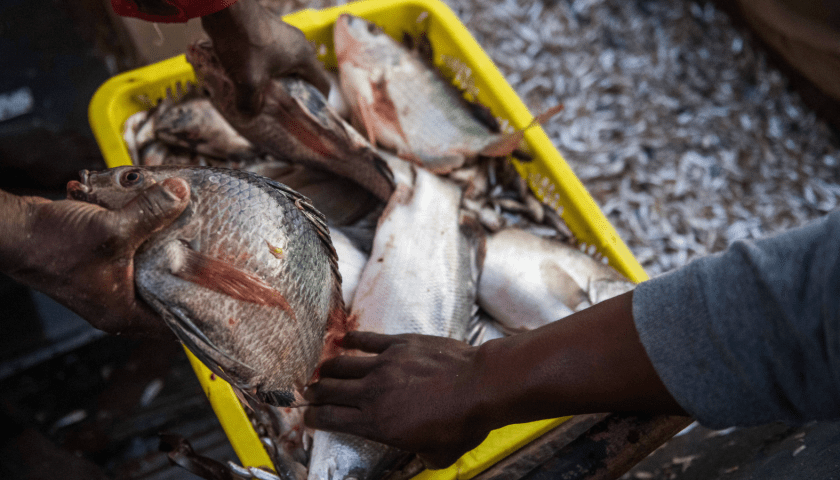
KENYA – Kenya’s expenditure on fish imports dropped sharply in 2024 as domestic production strengthened, according to the Kenya Fisheries Service (KeFS).
The agency reported that the country spent US$7.12 million (921.1 million shillings) on fish and fishery products in 2024, down from US$12.77 million (1.65 billion shillings) in 2023.
This reduction represents a 44 percent fall in costs and was accompanied by a lower import volume.
Kenya imported 9,960 tonnes of fish in 2024 compared to 11,253 tonnes in 2023, marking an 11.4 percent decline year-on-year.
KeFS attributed the trend to improved domestic output, particularly from marine fishing and cage aquaculture.
The country’s total fish harvest increased by 4.34 percent to 168,424 tonnes in 2024.
Marine fishing recorded the largest growth, with catches rising by 21 percent to reach 48,608 tonnes.
Aquaculture also contributed to the increase, producing 33,289 tonnes, a 5 percent improvement from the previous year.
However, inland fishing, which supplies the bulk of local fish, registered a contraction of 3.5 percent, falling to 86,527 tonnes.
Policy influence
Aside from production gains, government policy has also shaped import patterns.
The 2023/24 budget introduced a 10 percent excise duty on imported fish, aimed at limiting cheaper inflows, particularly from China.
While this measure was not highlighted in the KeFS report, officials have previously said the tax was intended to protect local producers.
Demand still outpaces supply
Despite these shifts, domestic production remains well below national consumption requirements.
Kenya’s per capita fish intake is about 4.3 kilograms a year, far lower than the African average of 10 kilograms.
With the population estimated at over 51 million in 2024, projected demand stood at around 510,000 tonnes.
That figure is more than three times the volume produced locally, underscoring a continuing reliance on imports to meet demand.
KeFS noted in its annual report that the gap between current supply and expected consumption highlights the need for continued investment in the fisheries sector.
Sign up HERE to receive our email newsletters with the latest news and insights from Africa and around the world, and follow us on our WhatsApp channel for updates.