Smithfield Foods returns to public markets
Company stock edges higher after IPO
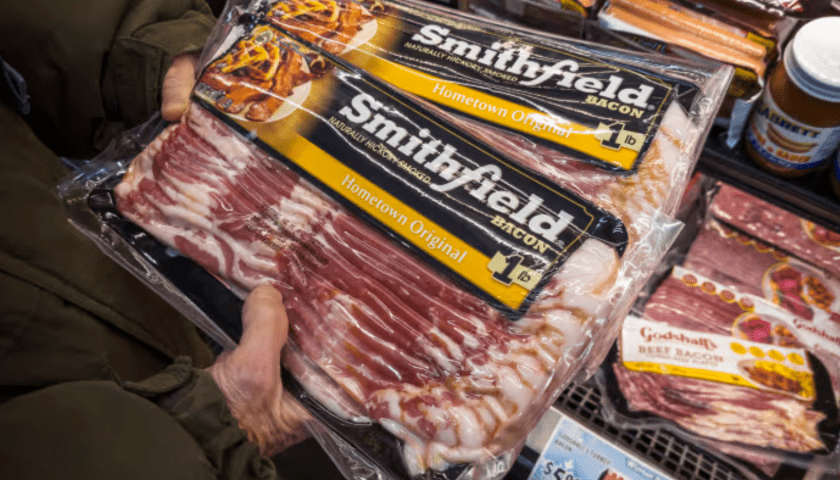
USA – Smithfield Foods has re-entered the stock market and its performance is drawing interest from both investors and stakeholders in the pork sector.
The company’s shares began trading at US$20, a figure below the initial range that had been suggested.
In the weeks following, the share price has risen to about US$24, giving investors an overall return of nearly 24 percent once dividends are factored in.
This increase is roughly twice the return of the S&P 500 during the same period, signaling that some investors are buying into Smithfield’s longer-term strategy despite lingering skepticism.
Strategy Shifts and Market Position
Smithfield has increased its focus on packaged meats and branded categories such as sausages, deli cuts and processed pork products rather than relying only on fresh pork sales.
This adjustment is intended to soften the effect of volatile hog and feed markets, which tend to affect companies tied heavily to commodity pricing.
For hog growers and suppliers, the shift may result in processors seeking consistent and reliable supply relationships instead of focusing solely on the lowest-cost animals.
The company’s structure also remains a key point, as WH Group retains about 87 percent of ownership despite the public offering.
Such concentrated control may shape how Smithfield allocates capital, approaches new projects or manages its risk appetite.
Dietary shifts also pose a challenge, with the rising use of GLP-1 weight loss drugs reducing consumption of processed foods.
At the same time, the possibility of new rules aimed at “ultra-processed” products has raised questions about the future demand for branded pork categories.
Pressures on Costs and Operations
Labor shortages, energy prices and feed costs continue to weigh on operations, prompting Smithfield to scale back sow operations and consolidate facilities in recent years.
For producers, this highlights the need to maintain efficiency, strong biosecurity measures and firm margins as processors adjust contracts and terms.
Smithfield’s public market performance is also being treated as an indicator of the overall health of the pork industry.
Its ability to generate consistent returns may influence whether capital flows into related areas such as feed, genetics and other swine-linked businesses.
Producers, packers and analysts are watching closely to see if the company favors long-term supply contracts or remains active in spot markets.
The outcome of Smithfield’s listing could also inform decisions by other large pork processors weighing whether to seek public funding.
However, industry observers caution that the sector remains exposed to risks such as animal disease outbreaks, input volatility and regulatory shocks, which could quickly affect profitability even for a company of Smithfield’s size.