
Kenyan poultry farmers protest over new Machakos County chicken movement fee
Farmers say the fee will raise costs and threaten cross-county trade
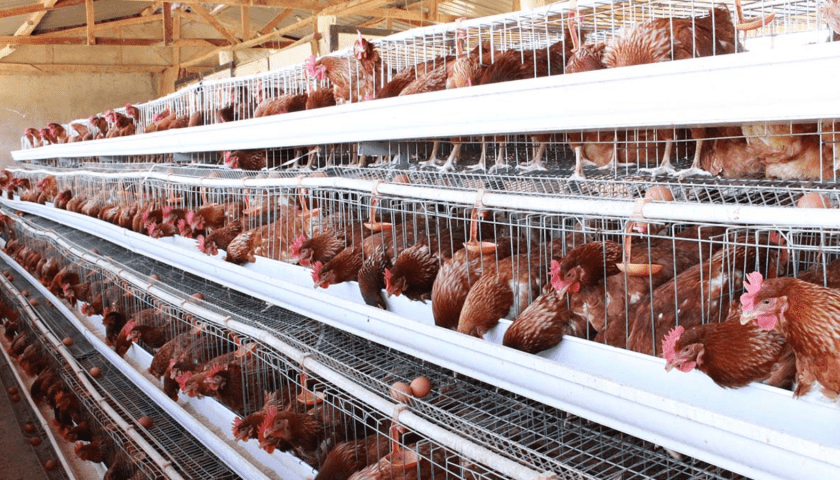
KENYA – Poultry farmers from neighbouring counties are raising concern over a new levy introduced by Machakos County on the movement of chickens.
The charge, set at US$0.15 (Sh20) per bird, is contained in the county’s latest Finance Bill and has sparked protests from farmers supplying the Machakos market.
They argue that the levy will increase production costs and drive up consumer prices, making it harder for businesses to stay afloat.
The county assembly passed the Finance Bill last month, with officials saying the levy is meant to regulate poultry movement and safeguard food safety.
However, farmers claim there was little consultation before the measure was introduced and insist it unfairly targets small producers who rely heavily on inter-county trade.
Vendors in Machakos have also voiced concern, warning that consumers who already face rising food prices will be hardest hit if chicken becomes more expensive.
County officials have defended the policy, explaining that revenue collected will be directed towards veterinary services and disease control measures.
Farmers, however, maintain that the timing is wrong and the implementation lacks transparency, putting livelihoods at risk.
The protests come at a time when other counties are investing heavily in poultry production to strengthen local economies.
Expanding poultry projects in Nakuru and Meru
Earlier this year, Nakuru County reported that poultry meat generated an estimated US$3.7 million annually, supported by a county-backed project targeting small-scale producers.
The same initiative has also led to the production of over 67 million eggs per year, worth about US$6.6 million in sales according to county data.
The program, which supports more than 3,000 groups, provides inputs such as chicks, feed, incubators, and veterinary care to improve production.
Nakuru has committed about US$197,000 to the poultry program, with the goal of preparing farmers to supply beyond local demand.
In Meru, a partnership with the Korea Programme on International Agriculture has reached over 700 households with starter packs of improved indigenous chicks.
Some of these farmers have expanded their flocks to more than 100 birds through training in disease management, housing, and feeding practices.
A hatchery set up in Ngonyi village now provides low-cost chicks, cutting transport expenses and reducing mortality rates linked to long-distance supply.
These localised efforts have enabled more households to raise chickens to maturity and sell them for meat and eggs at competitive prices.
Experts estimate that if these programs continue and issues such as disease control and market access are addressed, the sector could be worth over US$22 million in the near future.
Sign up HERE to receive our email newsletters with the latest news and insights from Africa and around the world, and follow us on our WhatsApp channel for updates.