
Yalelo opens first Kenyan retail outlet in Mathare
Yalelo launches its first Kenyan shop as the country struggles with a widening gap between fish demand and local production.
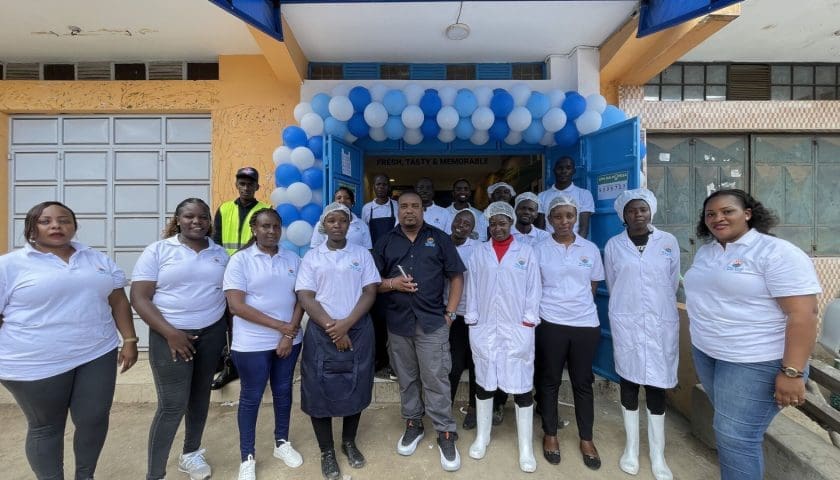
KENYA – Yalelo Kenya has opened its first retail outlet in Mathare in Nairobi as the company moves to respond to ongoing shortages and unstable supply in the country’s fish market.
The new shop marks the start of a wider retail rollout that aims to bring fish closer to households and small traders who often struggle with inconsistent availability and shifting prices.
According to the company, the outlet is intended to serve communities that have long relied on unpredictable supply chains, with the retail strategy designed to create a steady point of access for fresh farmed tilapia.
The Mathare store is the first of several planned locations that will stock fish daily while keeping prices stable for families and micro-business owners who depend on fish for both consumption and income.
Yalelo says the retail touchpoints will also offer a controlled buying environment where product quality can be monitored from source to consumer.
The company’s teams in retail operations, logistics, marketing, community engagement and management led the rollout, which it describes as part of a broader plan to connect more directly with end users.
Farmed Tilapia from Lake Victoria
The fish sold in the new outlet is sourced from the company’s tilapia farms on Lake Victoria, where it operates some of the region’s largest open-water cages that allow the fish to swim in natural currents.
Yalelo states that the fish are fed a diet formulated from soy, maize and wheat, with the controlled feeding system intended to maintain consistency in size and taste.
The company says this farming approach is meant to reduce uncertainty about production methods at a time when customers are increasingly concerned about food origin and safety.
Kenya’s Growing Supply Gap
Kenya’s annual fish consumption has climbed to about 600,000 tonnes, yet national output stands at roughly 400,000 tonnes, creating a shortfall that the country fills through imports.
China accounts for around 83 percent of the value of the imported fish, with additional volumes arriving from Norway, Tanzania, India and Uganda, according to 2023 data.
Sign up HERE to receive our email newsletters with the latest news and insights from Africa and around the world, and follow us on our WhatsApp channel for updates.