

Cameroon secures US$18.7 million loan for industrial slaughterhouse in Maroua
Deutsche Bank Spain provides financing under government-backed development plan.
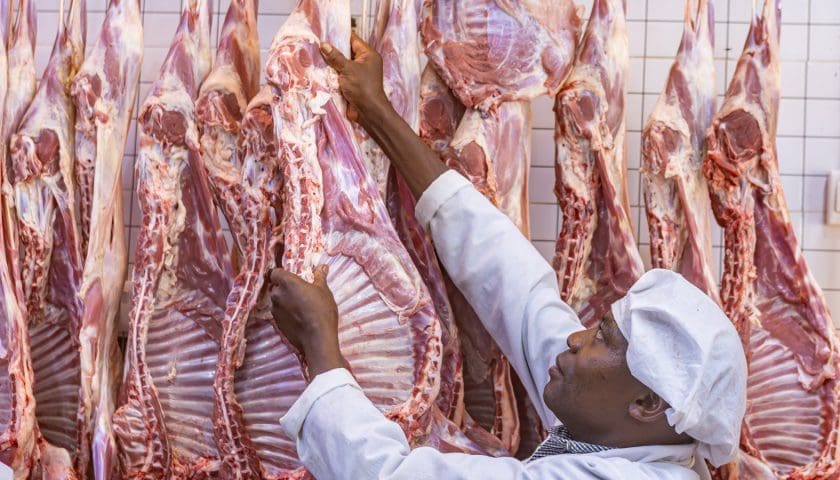
CAMEROON – President Paul Biya recently issued a decree allowing the Minister of Economy, Planning and Regional Development to secure a loan worth US$18.7 million (15.9 million euros) from Deutsche Bank Spain to finance infrastructure development in Cameroon’s livestock sector.
The funds are earmarked for the construction of an industrial slaughterhouse in Maroua, the administrative capital of the Far North region, which is one of the country’s major pastoral and agricultural zones.
Livestock infrastructure push
The project is intended to reorganise meat production systems, improve hygiene standards during slaughter and storage, and reinforce cold chain logistics, while also generating employment opportunities in a region where livestock farming remains a key economic activity.
This investment comes at a time when national beef output has weakened, with official data showing a decline from 94,300 tonnes in 2024 to under 69,000 tonnes in 2025, a shift that has affected both urban supply chains and farmer earnings.
Although the technical specifications and construction schedule have not yet been disclosed, the project forms part of a broader state-led programme aimed at upgrading slaughter and meat handling infrastructure across the country.
Cameroon previously launched its first industrial slaughterhouse in Yaoundé in 2017, which includes a cold storage facility of 6,000 m³ and the capacity to store up to 10,000 carcasses weighing 200 kg each.
In 2018, a similar facility was commissioned in Ngaoundéré in the Adamawa region, which serves as the country’s main livestock production hub and follows comparable operational and storage standards.
Further expansion plans include additional industrial slaughterhouses scheduled for development in Kribi and Ebolowa in the South region, as well as Douala in the Littoral region and Bamenda in the Northwest region.
The wider government strategy focuses on building a structured slaughtering network designed to improve meat quality control, reduce post-slaughter losses, and support gradual recovery and growth in national livestock production capacity.
Sign up HERE to receive our email newsletters with the latest news and insights from Africa and around the world, and follow us on our WhatsApp channel for updates.