Apollo Agriculture secures smallholder loans in Kenya’s US$2.5M pioneering deal
As a result, higher crop yields and stable incomes translate into more reliable food supply chains across East Africa.
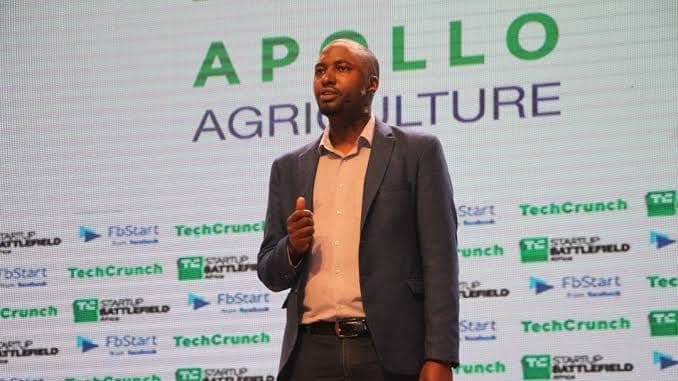
KENYA – Apollo Agriculture has raised KSh 276 million (US$2.5 million) through a structured finance transaction that converts thousands of smallholder farm loans into securities sold to institutional investors, marking Kenya’s first private-sector local-currency securitization in smallholder agriculture.
The deal enables Apollo Agriculture to sell future repayment streams from its existing loan book to investors in exchange for immediate cash, freeing capital for additional lending without increasing leverage on its balance sheet.
The transaction is backed by a pool of 23,839 smallholder farmers, mostly women, with an average loan size of KSh 17,942 (US$162). This is the first tranche of a broader programme targeting total issuance of KSh 2.37 billion (US$21.4 million), with the programme reaching more than 130,000 farmers over time.
For investors, this securitization model transforms risk management by converting fragmented agricultural loans into tradable securities with predictable cash flows.
Consequently, institutional investors gain exposure to smallholder agriculture without having to directly manage thousands of individual borrowers. Machine learning models and satellite data used to assess borrower risk address the segment that has traditionally been considered too data-poor for institutional finance.
The impact on regional food security could be significant. By providing affordable, local-currency financing to tens of thousands of producers, Apollo Agriculture enables farmers to purchase quality inputs, insurance, and agronomic support.
As a result, higher crop yields and stable incomes translate into more reliable food supply chains across East Africa.
On the other hand, AI and satellite data help bridge the agricultural credit gap by creating risk profiles for farmers without formal credit histories.
In addition, the platform aggregates granular loan data and assigns risk profiles through an AI-driven scoring system that combines transaction histories, credit bureau data, and alternative datasets.
“This is a meaningful step in building efficient, scalable funding for smallholder agriculture. By converting receivables into working capital, we can lower our cost of funds and expand access to affordable local currency financing for farmers,” said Eli Pollak, CEO of Apollo Agriculture.
“This transaction showcases how well-functioning market infrastructure can catalyze institutional capital for sectors traditionally considered high-risk. We see this as a blueprint for structured finance, unlocking sustainable funding across Africa,” said Dr. Evans Osano, FSD Africa.
The deal reflects a growing shift toward capital markets-based funding, where fintech lenders originate credit risk while institutional investors provide liquidity through structured instruments backed by real-world cash flows.
Sign up HERE to receive our email newsletters with the latest news and insights from Africa and around the world, and follow us on our WhatsApp channel for updates.