

Egypt poultry farmers oppose frozen chicken imports amid fears over local industry losses
Concerns in Egypt mirror opposition from Polish farmers over the EU-Mercosur trade agreement
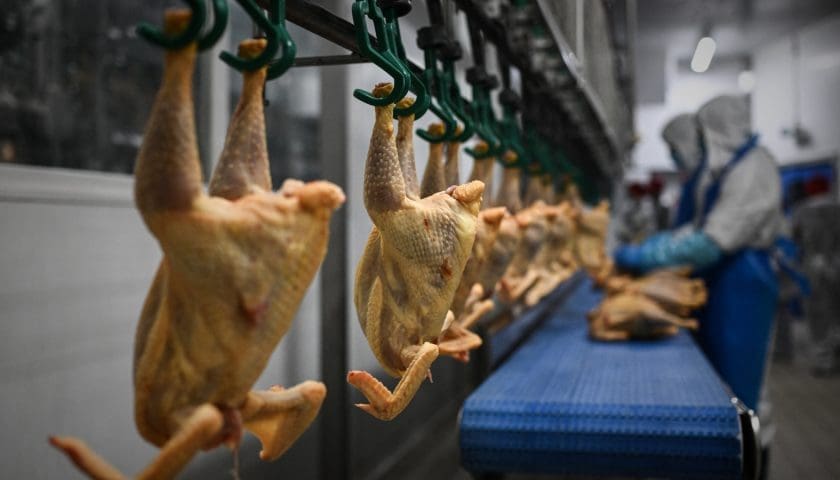
EGYPT – Egypt’s poultry sector is facing growing pressure after the government approved large-scale imports of frozen chicken products, a decision that has triggered criticism from farmers and industry groups who say the move could weaken domestic production and threaten jobs across the supply chain.
Industry participants said the approval came despite years of investment aimed at reducing dependence on imported poultry and increasing local broiler production to levels capable of supplying most of the country’s consumer demand.
Government officials, however, said the imports are intended to help control food prices during Ramadan, a period when poultry consumption typically increases as households prepare meals for iftar gatherings and other religious occasions.
Authorities stated that imported frozen poultry products, including whole chickens, breasts, and thighs, will be sold through state-backed retail outlets at prices lower than those of locally produced chicken in an effort to ease pressure on consumers facing inflation and higher living costs.
Local producers argued that imported products could create unfair competition because domestic farmers are already dealing with rising feed, transport, and energy costs that have significantly increased production costs in recent years.
Feed prices in Egypt have remained volatile due to global grain market fluctuations and foreign exchange pressures, with maize and soybean meal accounting for a major share of poultry feed costs, leaving many smaller producers struggling to remain profitable.
As a result, some farmers have already reduced production volumes or exited the market entirely, while industry representatives warned that cheaper imports could accelerate the closure of small and medium-sized poultry operations across rural areas.
Concerns over food security
Stakeholders in the poultry industry said the sector supports thousands of direct and indirect jobs across farming, processing, transportation, and feed manufacturing, adding that a decline in domestic production could increase Egypt’s reliance on foreign poultry suppliers in the future.
The concerns raised by Egyptian producers reflect similar opposition emerging in Poland following the signing of the European Union-Mercosur trade agreement, which aims to reduce tariffs on goods traded between the EU and South American countries, including Brazil, Argentina, Paraguay and Uruguay.
Polish poultry and beef farmers have criticised the agreement, arguing that agricultural imports from South America could enter European markets at lower prices because producers there operate under environmental and production standards that differ from those required by EU regulations.
Agricultural analysts have warned that Polish poultry farms could face significant financial losses once the agreement is fully implemented, with concerns that many family-owned operations may struggle to remain competitive and that jobs linked to poultry, beef and dairy farming could be affected.
While some economists expect sectors such as automotive manufacturing, machinery and pharmaceuticals to benefit from increased trade under the agreement, farming groups in both Egypt and Poland continue to warn that local agricultural industries risk long-term decline if governments fail to balance consumer affordability with protection for domestic producers.
Sign up HERE to receive our email newsletters with the latest news and insights from Africa and around the world, and follow us on our WhatsApp channel for updates.