

Bangladesh sets US$3B shrimp export target as sector battles decade-long decline
The strategy focuses on aquaculture modernisation, export diversification and new production zones.
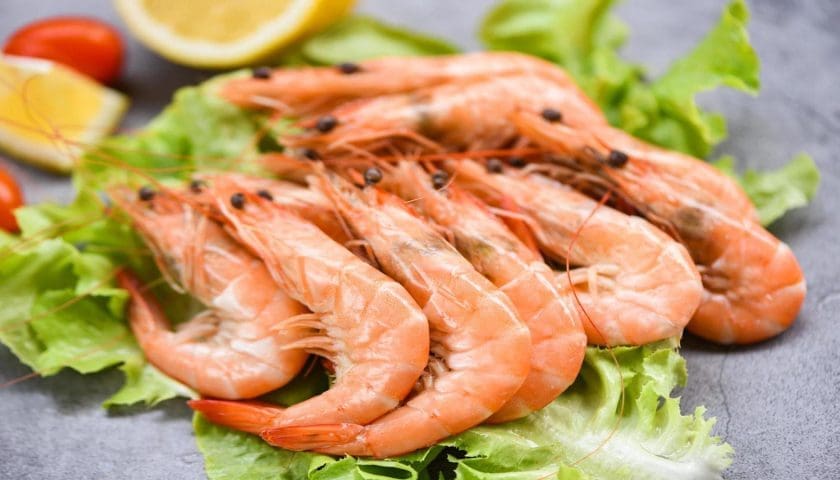
BANGLADESH – Bangladesh aims to generate US$3 billion annually from shrimp exports by 2030 as policymakers and industry groups roll out a recovery framework for a sector that has steadily lost global market share over recent decades.
Export earnings dropped to US$296.29 million in FY2024–25 from nearly US$1 billion in the 1990s, with the industry also recording US$448.56 million in FY2016 before continuing its downward trend.
Heavy reliance on ageing production systems
The shrimp sector, still referred to locally as “White Gold,” contributes around 76% of Bangladesh’s frozen fish and shrimp export revenue and supports more than 300,000 jobs across roughly 262,000 hectares of farms.
However, productivity remains low, with average yields of about 400 kilograms per hectare compared with 6,800 kilograms in Ecuador, 5,500 kilograms in India and 4,500 kilograms in Vietnam under semi-intensive systems.
The Maheshkhali Integrated Development Authority has proposed a turnaround plan centred on Shrimp Economic Zones, modern aquaculture systems and higher-value processed exports.
Officials, including MIDA member Tanzim Faruq, say Bangladesh should move away from traditional pond farming and adopt indoor and intensive systems similar to those used in China, Thailand and Vietnam.
Faruq said shifting toward processed shrimp products could raise export value per kilogram by up to five times, improving overall earnings even without major expansion in production area.
Production constraints and infrastructure gaps
Industry stakeholders argue that high feed costs, electricity expenses, limited post-larvae supply and weak logistics networks continue to restrict competitiveness in global markets.
Experts also point to outdated pond structures, often only one to one-and-a-half feet deep, which increase vulnerability to heat stress and disease compared with recommended depths of four to five feet.
Additionally, proposed Shrimp Economic Zones in Khulna, Satkhira, Bagerhat, Cox’s Bazar, Maheshkhali, Chakaria and Teknaf would combine hatcheries, feed mills, laboratories, processing plants and cold storage under one system.
The plan also includes wider use of Recirculating Aquaculture Systems and Biofloc Technology, with officials estimating post-larvae survival rates could exceed 85% under improved conditions.
Transport and cost pressures weigh on exports
Stakeholders say transport disruptions, including the loss of air freight services for shrimp larvae between Cox’s Bazar and Khulna, have forced reliance on road transport that can take up to 12 hours and increase mortality rates.
Industry representatives, including Bangladesh Frozen Foods Exporters Association adviser Syed M Ishtiaq, argue that without infrastructure upgrades and modern farming methods, the sector will struggle to reach its export target despite strong global demand.
Sign up HERE to receive our email newsletters with the latest news and insights from Africa and around the world, and follow us on our WhatsApp channel for updates.

