
Kenya attracts US$3.95M investment in aquaculture industry
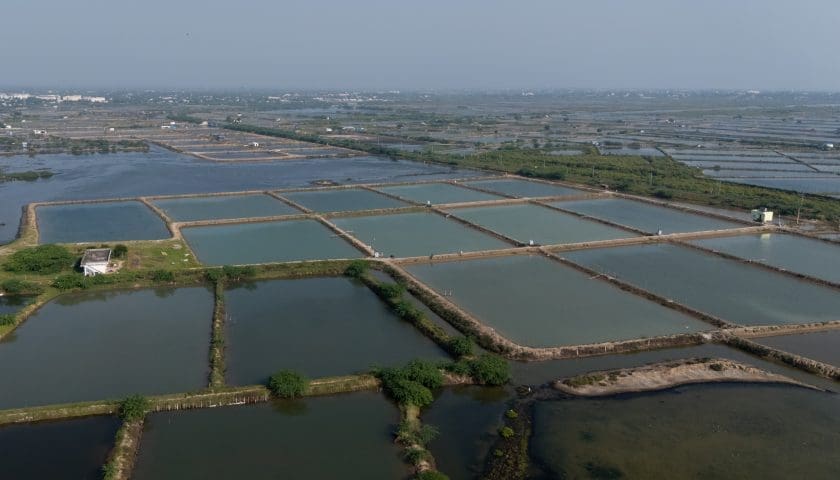
KENYA – Kenya is set to receive a US$3.95 million investment in aquaculture feed manufacturing as Maxim Agri and Samakgro plan to establish a new production facility to support the country’s growing fish farming sector.
The companies intend to build the plant at the Green Energy Park in Olkaria, Naivasha, where it will produce up to eight metric tons of fish feed per hour.
According to an announcement released on July 17, the facility will be powered by three megawatts of geothermal electricity supplied by the Kenya Electricity Generating Company (KenGen), with the renewable energy source expected to lower operating costs.
The developers have not yet disclosed the project’s construction timeline or expected commissioning date.
The investment follows a series of projects targeting aquaculture inputs as Kenya seeks to expand domestic fish production and strengthen critical parts of the industry’s supply chain.
In November 2025, German Kenyan joint venture DiscoverAqua announced plans to establish another aquaculture feed manufacturing plant in Athi River, Machakos County, with a planned production capacity of more than 20 metric tons of feed per hour and operations expected to begin during the third quarter of 2026.
Rising aquaculture production drives demand
Demand for fish feed continues to grow alongside Kenya’s expanding aquaculture industry, with data from the Kenya Fisheries Service (KeFS) showing that aquaculture production increased from 12,635 metric tons in 2017 to 33,423 metric tons in 2024.
Further expansion is expected as producers continue investing in new fish farming projects across the country.
Among the planned developments is Victory Farms’ proposed tilapia farming project on Lake Victoria in Migori County, which is expected to cost KES750 million (US$5.7 million) and produce up to 30,000 metric tons of fish annually using floating cage systems.
Lower feed costs remain a priority
Industry stakeholders view the expansion of local feed production as an important step toward improving the profitability of fish farming in Kenya.
According to a January 2026 report by the World Economic Forum, aquaculture production costs in Africa are between 10% and 20% higher than the global average because of challenges in sourcing fish feed.
The report estimates that feed accounts for between 70% and 80% of production costs in African aquaculture, compared with around 60% globally, largely because producers depend on imported feed ingredients such as soybean meal and fishmeal due to limited domestic manufacturing capacity.
The developers of the Naivasha project said using geothermal energy from the Olkaria complex is expected to reduce production costs, making fish feed more affordable for farmers while improving the competitiveness of Kenya’s aquaculture industry.
Sign up HERE to receive our email newsletters with the latest news and insights from Africa and around the world, and follow us on our WhatsApp channel for updates.