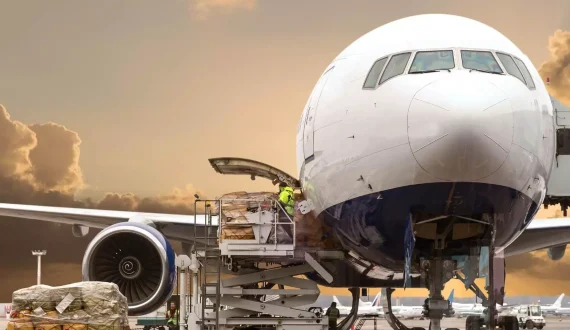
Airfreight surge halts Bangladeshi fruit exports to Middle East, mango season at risk
Volumes dropped sharply, with vegetable exports falling 45% year on year in March.
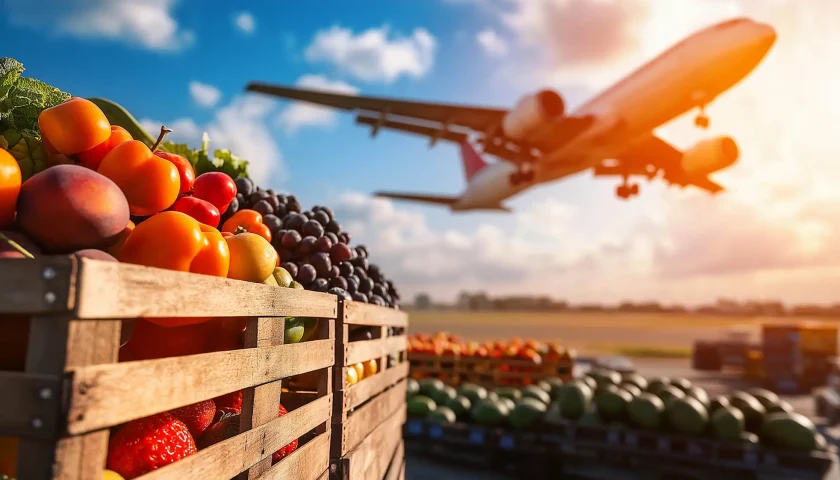
BANGLADESH – A surge in airfreight costs has halted Bangladeshi fruit exports to the Middle East, with the upcoming mango season now at risk as shipping rates to Europe reach US$5.91 per kilogram.
Exporters report lower shipment volumes and reduced competitiveness across major markets in Europe and the Middle East.
Airfreight charges have increased across all major routes. For instance, shipping to the Middle East now costs US$1.64 to US$2.55 per kilogram, compared with US$1.09 to US$1.27 before the conflict.
For Europe and the United Kingdom, rates have risen to US$5.64 to US$5.91 per kilogram from US$3.64 to US$4.09. Container freight to the Middle East has jumped from approximately US$2,800 per container to US$6,200-6,400.
Mushtaque Ahmad Shah of Shah Traders said freight charges have doubled within a month, making bookings difficult. “If this continues, exports will fall to near zero. Our freight charges are being increased every few days,” he said.
For Middle Eastern supply chains, the disruption means reduced availability of Bangladeshi vegetables, dry foods, and spices. Volumes dropped sharply, with vegetable exports falling 45% year on year in March.
Md Shahid Sarker said Bangladesh is losing competitiveness against regional rivals. Export costs from India range from US$1.82 to US$2.27 per kilogram, and are even lower in Pakistan, while Bangladesh is close to US$6.36 per kilogram. “It is impossible to compete with them,” he said.
In addition, concerns are rising ahead of the May-to-September mango and jackfruit season. Exporters say higher freight costs could halt shipments entirely, even for fruit produced under Global Good Agricultural Practices standards.
Mohammad Hafizur Rahman of the Bangladesh Fruits, Vegetables and Allied Products Exporters Association said mango exports previously saw strong demand, but current conditions have halted shipments. “At current freight rates, it is simply impossible to compete with India and Pakistan,” he said.
Moreover, with freight costs more than double, even premium fruit becomes uncompetitive. Therefore, without lower freight costs or government subsidies, Bangladesh will struggle to remain competitive in export markets.
As a result, officials plan discussions with airlines and civil aviation authorities ahead of the mango season.
As geopolitical tensions persist, Bangladeshi exporters face a difficult season ahead, with the potential loss of hard-won market share to India and Pakistan.
Sign up HERE to receive our email newsletters with the latest news and insights from Africa and around the world, and follow us on our WhatsApp channel for updates.