

Brazil expands livestock genetics partnerships across Africa
The partnerships form part of wider efforts to modernise livestock production and reduce dependence on imported animal products.
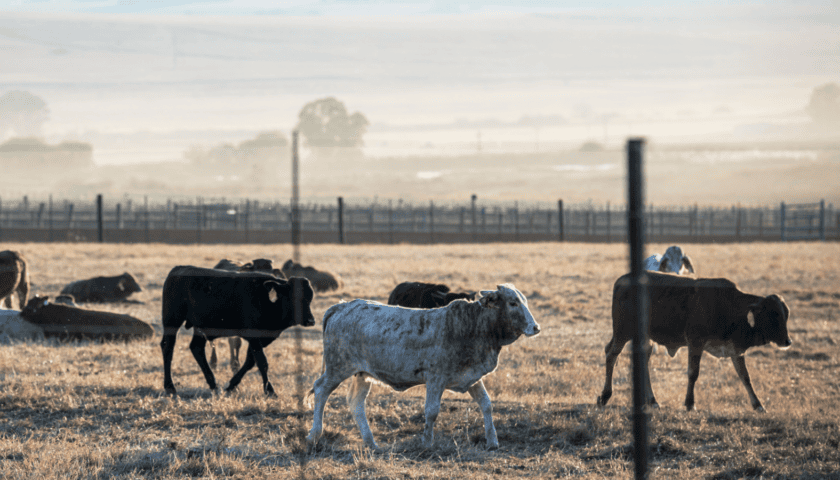
AFRICA – Brazil is expanding its role in Africa’s livestock sector as more countries adopt Brazilian cattle breeds and reproductive technologies to improve the productivity of their national herds and increase domestic meat and milk production.
Botswana recently received its first shipment of 200 pregnant Girolando dairy cows from Brazil, marking the start of a programme led by the Botswana Development Corporation to import 1,000 cattle with high genetic potential.
The initiative is part of Botswana’s strategy to improve the productivity of its livestock sector by introducing specialised dairy breeds suited to commercial milk production.
Botswana joins several other African countries that have recently entered similar partnerships with Brazil to strengthen livestock genetics and modernise cattle production systems.
In February, Guinea announced an agreement with Brazil’s Rio Verde Group to introduce more than 2,000 Brazilian cattle to increase meat and milk production while supporting technology transfer in artificial insemination and embryo transfer.
Burkina Faso also launched plans to import 710 Brazilian cattle, including Guzerá, Gir, Holstein and Nelore breeds, to improve the performance of its national herd in both beef and dairy production.
Earlier in 2024, Senegal unveiled a public-private partnership to import 1,000 Guzerá cattle as part of efforts to improve livestock productivity and expand domestic meat production.
Most of these programmes combine the importation of breeding animals with reproductive technologies such as crossbreeding, artificial insemination and embryo transfer to gradually improve the genetic quality of local cattle populations.
Brazil broadens livestock exports beyond breeding animals
Brazil has also expanded exports of bovine genetic material to African markets as demand for advanced livestock breeding technologies grows.
In November 2025, Tanzania approved imports of Brazilian livestock products, including both in vivo and in vitro bovine embryos, opening a new market for Brazil’s animal genetics industry.
Nigeria also authorised imports of Brazilian bovine semen in March 2025 after approving the required International Health Certificate, allowing livestock producers to access Brazilian breeding material.
Brazil’s experience in developing cattle breeds adapted to tropical climates has become an important factor in attracting African partners seeking animals capable of maintaining high productivity under similar environmental conditions.
One example is the Girolando breed, developed by crossing Holstein cattle, known for high milk yields, with the Gir breed, which is recognised for its tolerance to heat and tropical diseases.
According to the Food and Agriculture Organization, Brazil is the world’s second largest beef producer after the United States, the leading global beef exporter and the fifth largest dairy producer.
The growing cooperation reflects broader efforts by African governments to increase livestock productivity rather than simply expanding herd sizes, particularly as demand for animal protein continues to rise.
The need for higher domestic production remains significant, especially in West Africa, where the region imported 457,157 tonnes of dairy products in 2024 at a cost of nearly US$869 million, according to the FAO.
Industry observers note that while improved livestock genetics can increase productivity, long-term gains will also depend on investments in animal feed, veterinary services, livestock infrastructure and stronger agricultural value chains.
Sign up HERE to receive our email newsletters with the latest news and insights from Africa and around the world, and follow us on our WhatsApp channel for updates.