

Brazil to investigate JBS, other beefpackers over deforestation-linked cattle purchases
Environmental agency Ibama opens inspection into 12 meatpacking plants
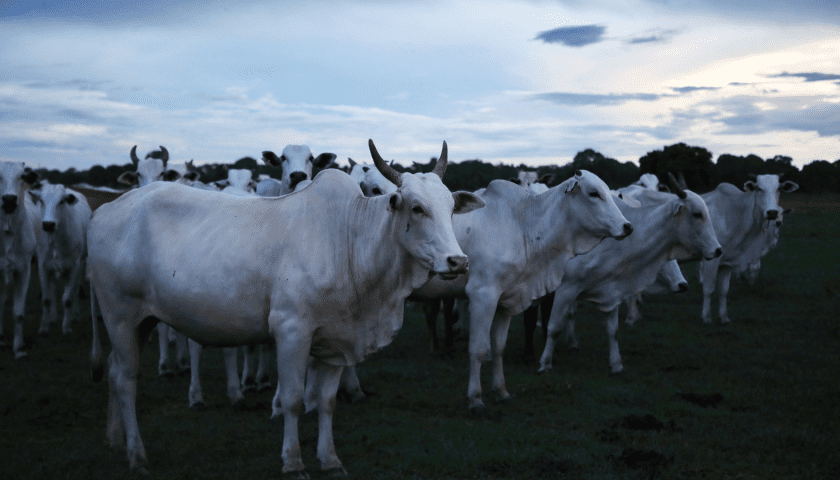
BRAZIL – Brazil’s environmental regulator Ibama is investigating 12 slaughterhouses, including two owned by JBS SA, over allegations of buying cattle from farmland illegally cleared in the Amazon rainforest.
The agency confirmed recently that it was reviewing facilities suspected of sourcing animals through irregular supply chains, but it did not disclose the companies under scrutiny.
A document obtained by Reuters listed JBS, privately held Frigol, and Mercurio among the firms being inspected.
JBS has denied purchasing livestock from the property in question and said it would provide additional details once it reviews Ibama’s full report.
Frigol stated that the agency made an error and reiterated that it had not acquired cattle from the land identified as illegally deforested.
Mercurio Chairman Lincoln Bueno told Reuters the company relies on an independent monitoring service to track the origins of animals processed in its plants, adding that it does not engage with suppliers flagged for environmental or labor violations.
Ibama said the review is targeting plants suspected of disguising the origin of animals through so-called “cattle triangulation,” where livestock from embargoed areas are moved through compliant farms to appear legitimate.
Financial results reported by JBS
The probe comes days after JBS released its second-quarter financial results, reporting net revenue of US$20.9 billion, an increase of 8.9 percent compared with the same period last year.
The company attributed much of the growth to its poultry units Seara in Brazil and Pilgrim’s Pride in the United States, which accounted for a significant share of its earnings.
From April to June, Seara posted an adjusted EBITDA margin of 18.1 percent, while Pilgrim’s recorded 17.2 percent, with both operations showing strong production results.
Quarterly net profit rose 60.6 percent year-on-year to US$528 million, while adjusted EBITDA stood at US$1.7 billion, with an overall margin of 8.4 percent.
According to JBS, 75 percent of its quarterly sales came from domestic markets, while exports contributed 25 percent.
Chief Executive Gilberto Tomazoni said diversification across proteins and regions helps the company balance fluctuations in demand.
JBS noted that higher poultry consumption in the United States, where more meals are being prepared at home, supported results, while beef and pork performance varied by geography.
Seara continued operating despite temporary avian flu cases in Brazil, and the World Organization for Animal Health declared the country free of the disease in June.
Pilgrim’s, with operations in the United States, Mexico, and Europe, benefited from steady consumer demand and reduced feed costs during the quarter.
Sign up HERE to receive our email newsletters with the latest news and insights from Africa and around the world, and follow us on our WhatsApp channel for updates.

