

Canada cattle herd set for stabilisation in 2026 as rebuild signals emerge
Weather conditions remain a key risk to sustained growth
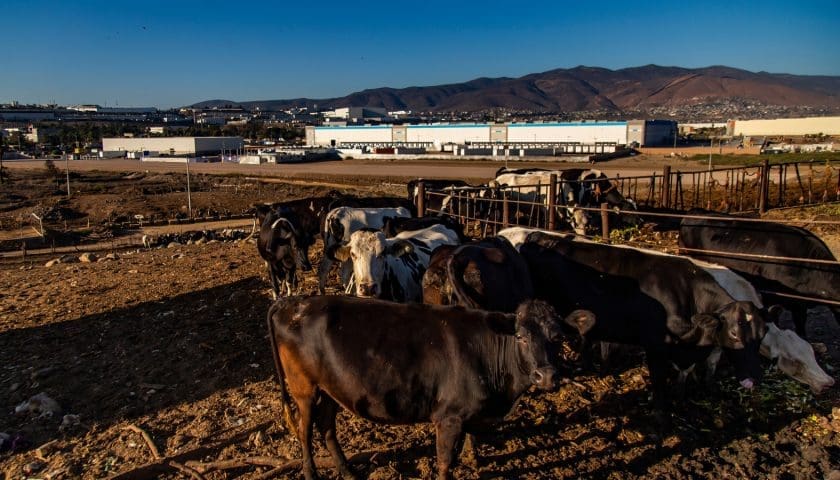
CANADA – Canada’s cattle sector is projected to move into a stabilisation phase in 2026 following early signs of consolidation observed in 2025, according to the latest livestock outlook from the USDA’s Foreign Agricultural Service in Ottawa.
Data from Statistics Canada shows that producers signalled a shift toward herd rebuilding, with intentions to retain heifers for beef replacement rising by 2% year on year in the July 1 inventory report, a trend also reflected in figures from the January 1 count.
This shift is being linked to improved pasture conditions and a more favourable feed outlook, which are encouraging cow-calf operators to begin expanding herds after previous periods of contraction.
However, conditions remain uneven across the country, as drought continues to affect several regions, prompting some producers, particularly those without succession plans, to consider selling livestock amid strong market prices.
As a result, the FAS expects 2026 to be largely a year of balance rather than rapid expansion, with more significant herd rebuilding dependent on further improvements in grazing and feed availability in the years ahead.
Herd numbers and slaughter trends
In line with this outlook, beef cow inventories at the start of 2026 are forecast to increase slightly by about 23,000 head, reflecting lower slaughter rates and higher heifer retention during 2025.
The reduction in cow slaughter is expected to extend into 2026 as producers hold back animals to rebuild breeding capacity, supported by profitable conditions in the cow calf sector driven by strong cattle prices in 2025.
Even so, weather patterns will remain a decisive factor, as adverse conditions could slow or reverse rebuilding efforts if drought persists in key production areas.
Across 2025, regional differences have been evident, with some areas continuing herd liquidation due to dry conditions while others, particularly parts of Western Canada that received timely rainfall, have begun to restock.
Dry conditions are still affecting large areas of Saskatchewan and Manitoba, as well as parts of British Columbia, southeastern Ontario, and much of the Maritime provinces.
Calf crop and retention outlook
A modest increase in the 2026 calf crop is also anticipated, supported by a slightly larger breeding herd and improved fertility following earlier culling of less productive animals during drought periods.
Statistics Canada reported that calf production in the first half of 2025 rose by 2% compared to the previous year, despite earlier reductions in breeding stock, indicating improved reproductive performance.
Looking ahead, continued gains in pasture and feed conditions are expected to sustain higher heifer retention through 2026, while both cow and heifer slaughter levels are projected to remain lower as producers prioritise herd rebuilding.
Sign up HERE to receive our email newsletters with the latest news and insights from Africa and around the world, and follow us on our WhatsApp channel for updates.

