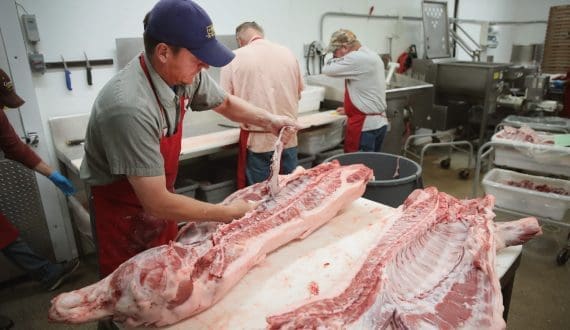

Canada’s meat prices expected to climb faster than other foods in 2026
Researchers warn the pressure on household food budgets will persist into 2027.
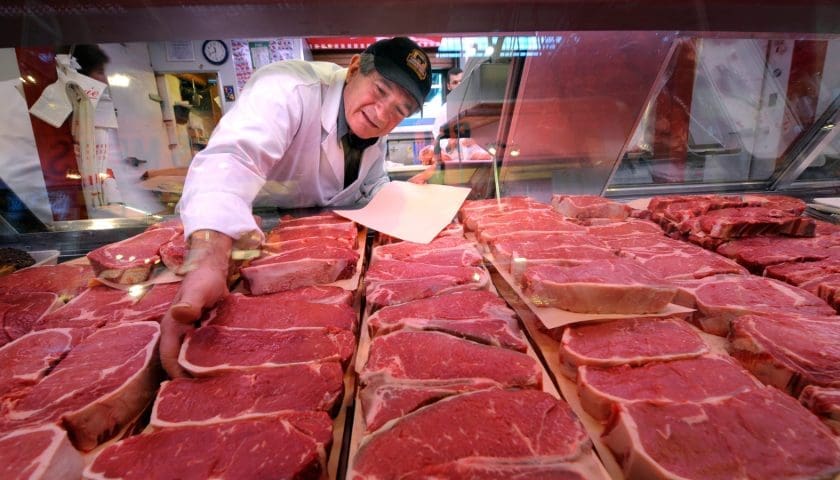
CANADA – Food costs in Canada are projected to rise again in 2026, with new academic research indicating that meat is likely to see the sharpest jump.
A joint study conducted by eight universities across the country estimates that overall food inflation will land between 4 and 6 percent in the coming year, while meat prices could climb 5 to 7 percent.
Researchers link the expected spike in meat prices to a strong increase in chicken demand, which has grown as beef becomes more expensive.
However, the report notes that Canadian output of both beef and chicken has fallen to record lows, creating a tight supply environment that continues to push prices higher.
Because of this squeeze, the study suggests that consumers may not see meaningful relief until at least 2027, even though trade agreements with Mexico and Australia are expected to help stabilize beef imports.
Other food categories to rise at slower pace
While meat is predicted to experience the steepest increases, the report outlines more moderate inflation across other parts of the grocery basket.
Bakery items are projected to rise 2 to 4 percent, a similar range given for dairy and eggs.
Fruit prices are expected to increase 1 to 3 percent, while vegetables could climb 3 to 5 percent.
Seafood is forecast to record the smallest jump, with researchers estimating a 1 to 2 percent increase.
The study’s release follows recent inflation figures showing that food prices were 3.4 percent higher in October compared with a year earlier, edging down from 4 percent in September but still outpacing Canada’s overall inflation rate of 2.2 percent.
According to Dr. Stacey Taylor of Cape Breton University, many households are being forced to adjust their buying habits, shifting to cheaper products or delaying purchases altogether.
She adds that the concern now extends beyond basic affordability to whether families can maintain access to nutritious food.
Restaurant meals are also set to become more expensive, with menu prices projected to rise 4 to 6 percent next year.
Despite the slowdown in headline inflation, Dalhousie University’s Dr. Sylvain Charlebois says Canadians will continue to feel financial pressure at the supermarket.
He states that the 2026 outlook makes clear that affordability will remain a central issue for families managing tight budgets.
Sign up HERE to receive our email newsletters with the latest news and insights from Africa and around the world, and follow us on our WhatsApp channel for updates.