
Chicken prices keep rising across Egypt as feed, transport costs surge
Consumers face record highs as farmers struggle with shrinking margins
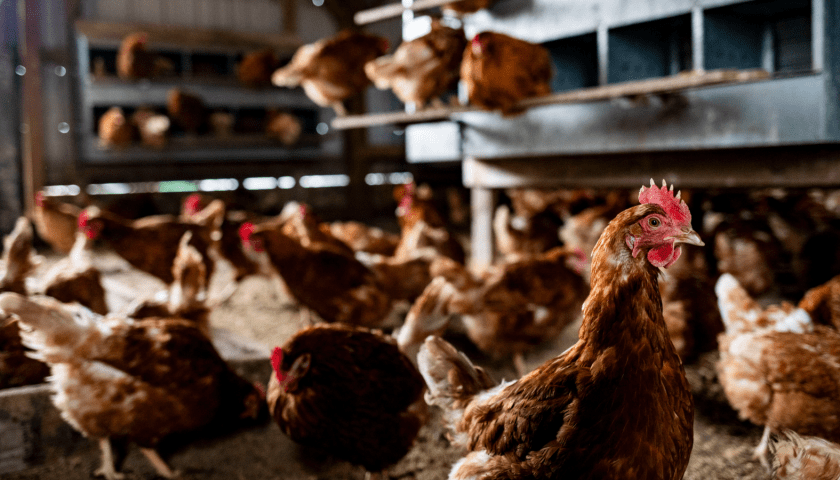
EGYPT – The cost of poultry in Egypt continues to climb sharply, with market prices for chicken and related products increasing almost daily as economic pressures deepen.
As of mid-October 2025, households across the country are feeling the strain of higher prices for white, Sasso, and local baladi chicken, driven by a mix of costly feed imports, fuel price hikes, and transportation challenges.
According to local market data, the average farm-gate price of white chicken has reached about US$1.38 (EGP 66) per kilogram, up slightly from the previous day, while consumers now pay roughly US$1.65 (EGP 79) at retail outlets depending on location and delivery expenses.
The persistent increase has raised concerns about food affordability, as poultry remains one of the most accessible protein sources for many Egyptian families.
Sasso chickens, which are favored for their meat quality, are also trading high, averaging US$1.97 (EGP 94) per kilogram at farms and about US$2.16 (EGP 103) in markets.
Meanwhile, traditional baladi chickens, prized for their flavor, have surged to around US$2.27 (EGP 108) at production level and US$2.48 (EGP 118) in shops, deepening the pressure on household budgets.
Beyond whole birds, prices for processed poultry cuts are also soaring, with chicken breast fillets selling between US$4.21 and US$4.42 (EGP 200–210) per kilogram.
At the same time, day-old chicks, essential for keeping farms running, now cost approximately US$0.53 (EGP 25) each, limiting small and medium farmers’ ability to restock and maintain supply.
Egg Prices Hold Steady – For Now
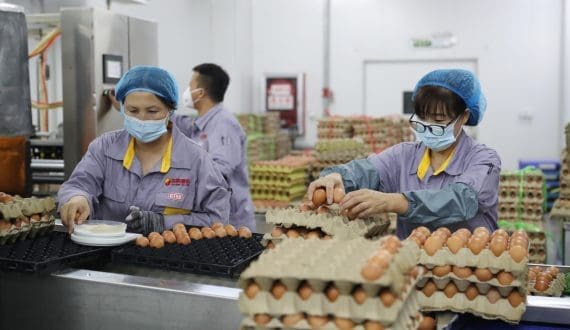
In contrast, egg prices have shown relative stability, offering slight relief to consumers.
A carton of white eggs currently sells for around US$2.91 (EGP 138), red eggs at US$3.06 (EGP 145), and baladi eggs at US$3.37 (EGP 160).
However, analysts caution that if feed and energy costs continue to climb, egg prices could soon follow the same upward trend seen in poultry meat.
Mounting Costs Threaten Small Producers
Industry observers link the ongoing rise in prices primarily to feed expenses, which depend heavily on imported grains affected by global market fluctuations and a weaker Egyptian pound.
Rising fuel and logistics costs have further inflated distribution expenses, while seasonal demand and limited supply are worsening the situation.
Many small-scale poultry farmers say they are barely covering their costs and fear shutting down if prices remain unstable, which could eventually lead to reduced production and even higher prices.
Experts suggest that stabilizing the market will require policies to control inflation, promote domestic feed production, and reduce import costs to ease the burden on producers.
Until then, Egyptians are likely to face continued increases in poultry prices, with many families already forced to cut back on chicken consumption as economic uncertainty persists.
Sign up HERE to receive our email newsletters with the latest news and insights from Africa and around the world, and follow us on our WhatsApp channel for updates.