
Chile halts poultry exports after H5N1 reaches commercial layer farm
Authorities move to contain outbreak and protect trade through zoning agreements
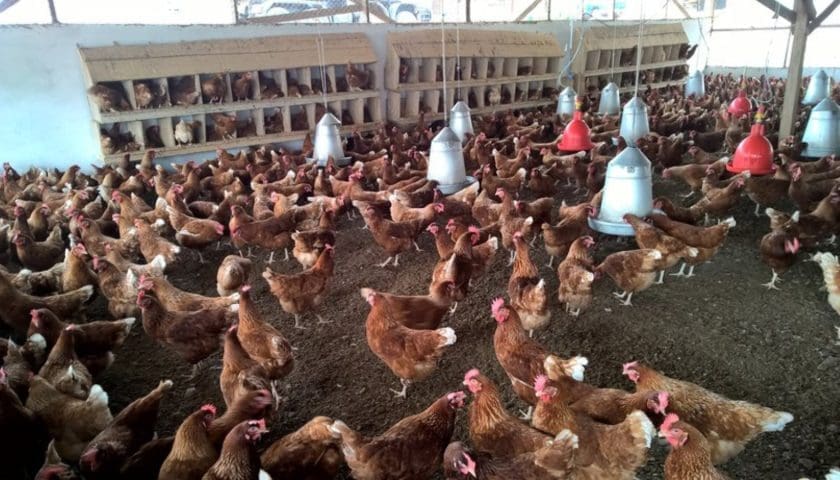
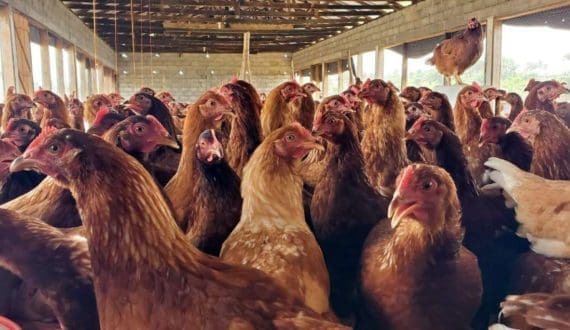
CHILE – Chile has suspended all poultry product exports after confirming that highly pathogenic avian influenza H5N1 has been detected in a commercial layer farm in the Metropolitan region.
The country’s Agriculture and Livestock Service reported on March 25 that it had notified the World Organisation for Animal Health about the outbreak and was implementing measures to contain the virus within the affected operation.
This development follows several weeks of H5N1 detections in backyard and wild birds across at least five regions, indicating that the virus has been circulating beyond controlled production systems.
Authorities said containment efforts are focused on limiting the spread within the commercial flock while strengthening monitoring in surrounding areas to prevent further transmission.
Trade restrictions and recovery plans
In response to the outbreak, officials halted poultry exports as a precaution.
However, the agency indicated that discussions are underway with trading partners to resume shipments from areas not affected by the disease.
Chile maintains zoning arrangements with countries, including the United States, Canada, Mexico, Colombia, and the United Kingdom, that allow trade to continue from disease-free regions once approved by the relevant authorities.
The country’s poultry sector has significant export exposure, with chicken meat shipments valued at US$439.5 million in 2025, making any disruption a concern for producers and exporters.
Officials said efforts to reopen markets will depend on demonstrating that unaffected zones remain free of infection and that surveillance systems are functioning effectively.
UK explores vaccination approach
Meanwhile, the United Kingdom has begun targeted trials of bird flu vaccines in turkeys as part of a broader review of disease control strategies following repeated outbreaks on poultry farms.
The trial, led by the Department for Environment, Food and Rural Affairs, is expected to run for about 24 weeks and will assess how approved vaccines perform under typical farm conditions rather than controlled laboratory environments.
Authorities said the programme will also test monitoring systems designed to detect infections in vaccinated birds, addressing concerns that immunised flocks could carry the virus without visible symptoms.
The global poultry industry has been cautious about adopting vaccination widely due to fears that it could complicate disease detection and disrupt international trade, even as outbreaks continue to affect supply chains and raise concerns about potential risks to human health.
Sign up HERE to receive our email newsletters with the latest news and insights from Africa and around the world, and follow us on our WhatsApp channel for updates