

China extends beef import probe amid domestic oversupply
Investigation into beef imports delayed until January 2026.
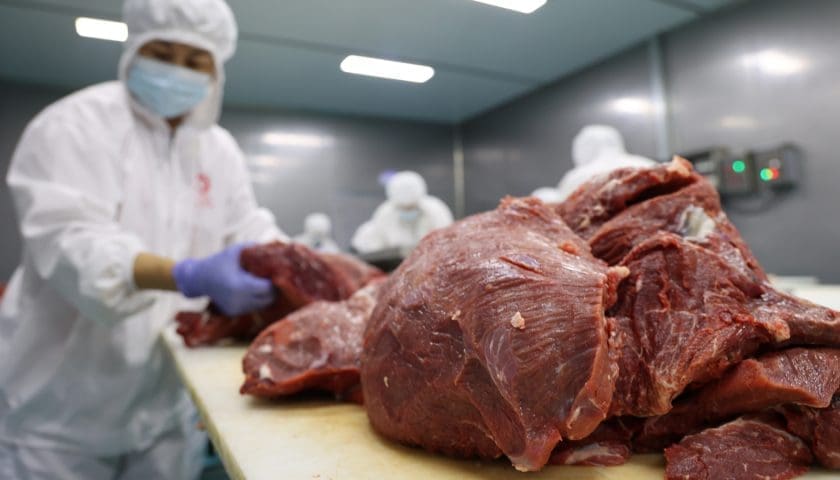
CHINA – China has extended its review of beef imports by 2 months, citing the complexity of the case, according to the commerce ministry, pushing the investigation until January 26, 2026.
This marks the second extension since the probe began in December 2024, as slower domestic demand continues to pressure the country’s beef market.
The current investigation does not single out any exporting country but could influence trade patterns for major suppliers such as Argentina, Australia, and Brazil.
Even Rogers Pay, director at Beijing-based Trivium China, noted that the relatively short extension suggests authorities are further from a conclusion than industry speculation had indicated.
She added that the timing could also reflect the busy political calendar in China and upcoming international holidays that may delay final decisions.
Chinese authorities have provided support measures for the cattle sector in 2025, with agriculture officials reporting profitability in beef farming for three consecutive months by July.
The ministry has also emphasized strengthening these measures while encouraging a recovery in dairy cow production.
Cattle prices remained stable at 25.6 yuan per kilogram (US$3.50/kg) this week, rising from 23.7 yuan per kilogram (US$3.25/kg) in the same period last year, according to Mysteel consultancy.
China imported a record 2.87 million metric tons of beef in 2024, with shipments for January to October 2025 increasing 2.8 percent year-on-year to 2.41 million tons.
Earlier in August, China reinstated previously lifted tariffs on meat imports from the United States, removing special exemptions granted under the 2020 phase one trade deal.
Under the revised rates, US pork will face an effective tariff of 87 percent, up from 57 percent, impacting both muscle cuts and variety meats, which constitute a significant portion of US exports to China, according to the US Meat Export Federation.
American suppliers now face a competitive disadvantage compared with exporters from Brazil, Argentina, and Australia, which enjoy more consistent tariff arrangements with China.
The adjustments and ongoing investigation create uncertainty for global beef and pork markets as China navigates supply surpluses and evolving import policies.
Sign up HERE to receive our email newsletters with the latest news and insights from Africa and around the world, and follow us on our WhatsApp channel for updates.