China halts Irish beef imports
The move follows the detection of bluetongue disease in several Irish cattle herds.
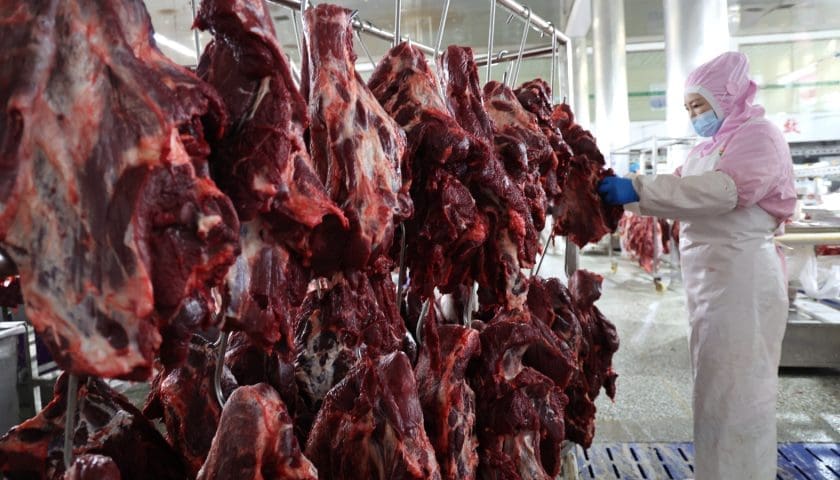
CHINA – China has suspended imports of Irish beef after authorities were notified of a bluetongue outbreak in southeast Ireland, only two weeks after reopening the market.
Ireland confirmed its first case of the disease in a local herd last week, prompting the Chinese authorities to act quickly and halt shipments, according to the Irish Ministry of Agriculture.
Since the initial detection, the virus has appeared in three additional herds close to the original outbreak site, increasing concerns over further spread.
The Chinese market had reopened to Irish beef on January 12, following a 2024 ban triggered by a case of mad cow disease, coinciding with Irish Prime Minister Micheál Martin’s visit to Beijing.
Agriculture Minister Martin Heydon described the suspension as disappointing and said his department is actively communicating with Chinese officials to lift the ban promptly.
Bluetongue affects cattle but does not pose a risk to human health or the safety of meat and dairy products, and cases have recently been reported in several European regions, including Northern Ireland.
Ireland relies heavily on exports from its beef and dairy sectors, which provide employment for a significant portion of the rural population.
Heydon emphasized that the outbreak does not affect Irish meat and dairy exports to the European Union, the United Kingdom, or most other international markets.
Meanwhile, China has recently reopened its market to Canadian beef following a ban imposed in late 2021, as reported by Canada’s Agriculture Minister Heath MacDonald.
The reopening comes after Canadian Prime Minister Mark Carney’s visit to Beijing, during which both governments agreed to reduce trade barriers and expand cooperation on agricultural products, including canola and beef.
One major Canadian beef exporter is reportedly preparing to send its first shipment to China within days, while authorities confirmed market access has been restored for Canadian beef.
Analysts caution that the renewed access is unlikely to significantly impact beef prices or supply in Canada due to limited cattle numbers and high domestic prices.
Food market expert Sylvain Charlebois noted that the volumes involved are modest and that Canadian consumers should not expect any immediate price changes, as redirecting exports could disrupt other international commitments.
Industry insiders say China remains a commercially important destination for specific beef cuts that face weaker demand in North America, making access valuable despite the limited shipment sizes.
Sign up HERE to receive our email newsletters with the latest news and insights from Africa and around the world, and follow us on our WhatsApp channel for updates.