

Ecuadorian red bananas enter Belarus retail as premium alternative with distinct nutritional advantages
However, the primary barrier to scaling distribution lies in the fruit’s sensitive ripening characteristics.
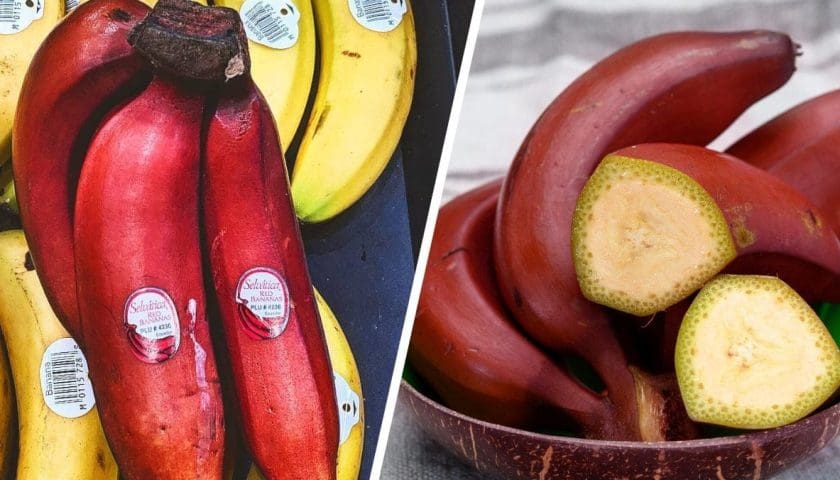
BELARUS – Red bananas from Ecuador have appeared on retail shelves in Belarus, offering consumers a premium alternative to standard yellow varieties with higher beta-carotene and lower glycemic index.
The price for these bananas is significantly higher than conventional bananas, with a single fruit costing approximately 1.5 rubles (US$0.46).
Unlike genetically modified products, red bananas belong to natural cultivars that have existed for hundreds of years. They are classified under Musa acuminata, the same botanical lineage as modern bananas, but offer a different texture and flavor profile described as creamier with berry-like notes.
Nutritionally, they contain three to five times more beta-carotene than standard bananas, contributing to the fruit’s distinctive pulp color, along with 15% to 20% more vitamin C and a slightly lower glycemic index of 45 to 50 compared to 55 to 60 for yellow varieties.
For Middle Eastern agricultural investors, red banana cultivation presents a niche opportunity. The fruit’s higher nutritional profile aligns with growing consumer demand for functional foods offering specific health benefits.
In addition, its premium positioning in retail markets evidenced by the significant price differential in Belarus suggests that red bananas could command attractive margins for growers willing to invest in the specialized handling the variety requires.
However, the primary barrier to scaling distribution lies in the fruit’s sensitive ripening characteristics. Red bananas require more time to ripen than standard varieties and are often sold while still firm.
Optimal ripeness is reached at room temperature when the fruit softens and the skin darkens. These uneven ripening patterns and higher handling requirements limit their suitability for large-scale exports, explaining why the variety remains less common on global retail channels.
On the other hand, the nutritional advantages of red bananas position them well for health-conscious consumer segments. Higher beta-carotene content appeals to shoppers seeking antioxidant-rich foods, while the lower glycemic index may attract those managing blood sugar concerns.
Lastly, as tropical imports gain traction in markets seeking functional health benefits and diverse culinary experiences, red bananas represent a test case for how niche produce varieties can carve out sustainable market positions despite logistical complexities.
For investors and food business leaders across the Middle East and Africa, the product’s emergence signals growing appetite for differentiated fruit offerings that justify premium pricing through superior nutrition and distinct sensory profiles.
Sign up HERE to receive our email newsletters with the latest news and insights from Africa and around the world, and follow us on our WhatsApp channel for updates.