Egypt exports 230,000 tons of fruit, vegetables in one week as NFSA intensifies inspections
These figures demonstrate Egypt’s capacity to supply a diverse range of produce to global markets.
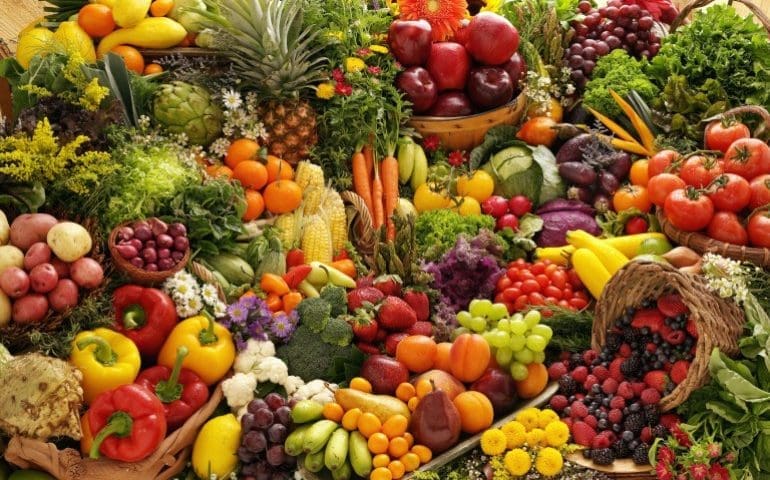
EGYPT – Egypt’s National Food Safety Authority has increased inspection activity across the food sector while overseeing the export of 4,827 consignments totalling 230,000 tons during the week of April 11 to 17, 2026.
The NFSA’s General Administration for Factory Control conducted 83 inspections to assess compliance with food safety and quality standards. Seven new food establishments were registered, and ten facilities regularized their status.
For regional food security, Egypt’s strengthened regulatory oversight signals a reliable supply of safe, high-quality produce to importing nations across the Middle East and Africa.
Saudi Arabia, the primary destination for Egyptian exports during this period, benefits from this rigorous compliance framework, as do Syria, Yemen, Russia, and the Netherlands.
As a result, with exports to 191 countries, Egypt’s dual focus on expanding trade volumes and enforcing food safety compliance builds confidence among international buyers.
Fruit exports totalled 80,000 tons across 39 varieties, with citrus accounting for 60,000 tons, followed by strawberries at approximately 13,000 tons. Vegetable exports totalled 56,000 tons across 46 varieties, with potatoes at 22,000 tons, sweet potatoes at 9,000 tons, and beans at 7,000 tons. These figures demonstrate Egypt’s capacity to supply a diverse range of produce to global markets.
For investors, investing in cold storage near export hubs, modernising packinghouses, and expanding logistics services serving the Safaga, Damietta, and Alexandria ports could capture value from rising export volumes.
The NFSA’s intensified oversight ensures that Egyptian produce meets the stringent quality standards required by premium markets. Therefore, when importing from Egypt, buyers can trust that certified shipments have been inspected and comply with international food safety requirements.
Shifting global export destinations are shaping Egyptian agricultural strategy. While Saudi Arabia remains the primary destination, diversification across 191 countries reduces dependence on any single market. This balanced portfolio protects Egyptian exporters from regional disruptions while enabling them to capture growth in emerging markets.
As Egypt continues to invest in both production capacity and regulatory infrastructure, its position as a leading exporter of fresh produce to the Middle East, Africa, and beyond is likely to strengthen further.
For industry leaders, the NFSA’s weekly report provides transparent data on export trends, supporting informed procurement decisions.
Sign up HERE to receive our email newsletters with the latest news and insights from Africa and around the world, and follow us on our WhatsApp channel for updates.