Egypt’s poultry sector struggles with surplus
Producers are seeking foreign buyers to ease price pressure at home.
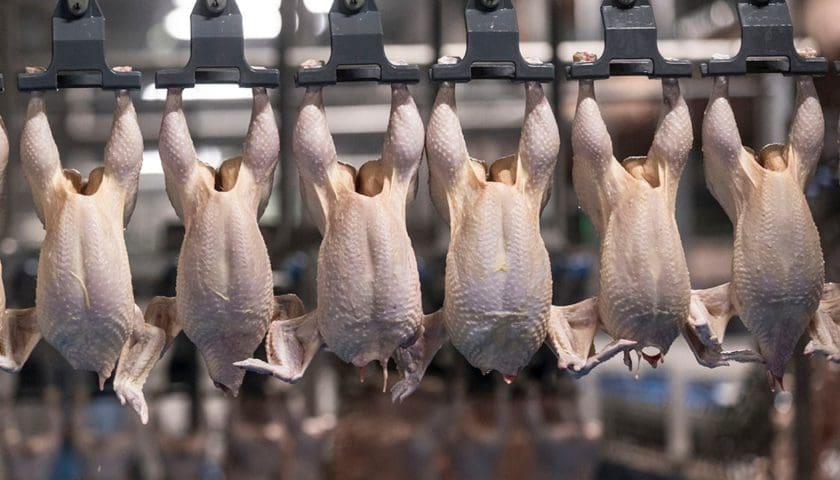
EGYPT – Egypt’s poultry industry is facing mounting strain as years of expanded production have resulted in more chicken meat and eggs entering the market than domestic consumers can absorb, pushing prices down and squeezing farm incomes.
Over time, the sector shifted from primarily meeting local needs to operating at a scale that now exceeds consumption, a change driven by modern breeding methods, upgraded farm facilities, and improved feed conversion that have lifted output across the country.
As production volumes climbed, domestic demand failed to keep pace, partly because households are grappling with higher living costs that have reduced spending on animal protein, including poultry.
Industry data and market feedback indicate that average per-capita chicken consumption has fallen compared with earlier periods, leaving retailers and wholesalers with excess supply that has become harder to clear.
This imbalance has translated into lower market prices, with some chicken and egg products selling at levels that do not fully cover production costs for farmers.
For producers, the gap between costs and selling prices has widened, as feed, energy, labor, housing, and veterinary expenses remain elevated while revenues continue to soften.
Small and medium-sized poultry farms are under particular pressure, since they lack the scale advantages that larger integrated operations use to spread costs and withstand prolonged price weakness.
Export Push Gains Momentum
Against this backdrop, poultry companies and industry associations are increasingly focused on expanding exports as a way to reduce the domestic surplus and access markets where demand for poultry protein remains stronger.
Potential destinations include neighboring countries, parts of Africa, and markets in the Middle East, where population growth and dietary trends continue to support poultry consumption.
Egypt already ships limited volumes of poultry-related products abroad, including hatching eggs, day-old chicks, and processed items such as frozen or partially prepared chicken, providing a base for wider trade.
Export advocates argue that scaling up these flows could ease pressure on local prices, support employment along the value chain, and generate foreign currency earnings.
Barriers Remain
However, moving larger quantities of whole birds and standard poultry products into overseas markets presents regulatory and logistical hurdles that producers must overcome.
Exporters must comply with importing countries’ animal health rules, disease-free certification requirements, and quality controls, while also building confidence among foreign buyers.
While the shift toward exports is not expected to deliver immediate relief, many in the industry see it as a necessary adjustment if domestic consumption continues to lag behind production growth.
Sign up HERE to receive our email newsletters with the latest news and insights from Africa and around the world, and follow us on our WhatsApp channel for updates.