

EU, India agree free trade deal to slash tariffs on wine, spirits and food
Brussels and New Delhi finalise ambitious trade pact cutting steep tariffs on agri-food and drink products.
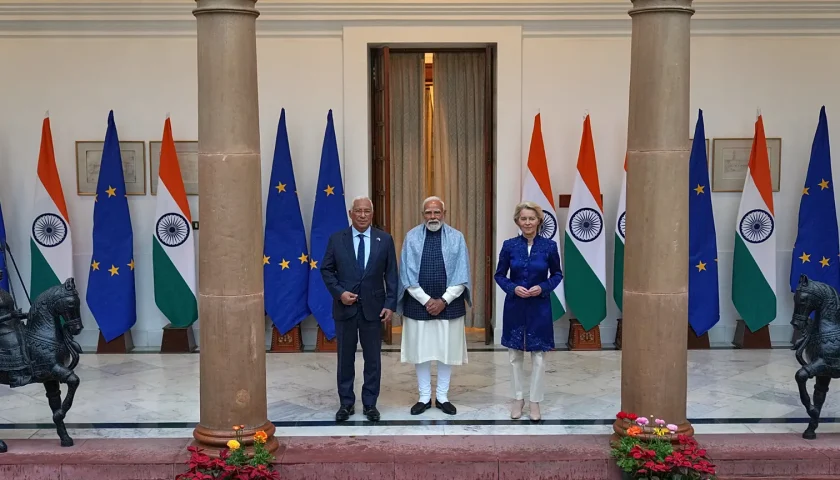
INDIA – The European Union and India have concluded negotiations on a long-awaited free-trade agreement that will significantly cut or remove tariffs on a wide range of food and drink products, marking one of the most ambitious trade deals ever agreed by India.
In a statement, the European Commission said the proposed agreement was “the most ambitious trade opening that India has ever granted to a trade partner.” Talks on the free-trade agreement began nearly 20 years ago, were paused in 2013, and resumed in 2022.
“We have delivered the mother of all deals,” European Commission President Ursula von der Leyen said. She added that the agreement sent “a strong message that cooperation is the best answer to global challenges.”
“This trade deal will integrate further our supply chains and strengthen our joint manufacturing power,” von der Leyen said.
Indian Prime Minister Narendra Modi described the agreement as “historic” and called it “a new blueprint for shared prosperity.”
He said the deal “will facilitate access to the European market for our farmers and small industries, create new opportunities in manufacturing, and further strengthen cooperation between our services sectors.”
Under the proposed deal, Indian tariffs on EU wine will be cut sharply from 150% to between 20% and 30%, depending on whether the products are positioned in the medium or premium segments. EU spirits exports to India, which have faced tariffs of up to 150%, will instead be subject to a 40% tariff.
Beer tariffs will also fall substantially, with the current 110% duty reduced to 50%. In addition, India will scrap a 55% tariff on EU fruit juices and non-alcoholic beers.
The agreement covers a broad range of agri-food products. Olive oil, margarine and vegetable oils from the EU will enter India tariff-free, as will prepared foods including bread, pastries, pasta, biscuits and pet food.
Both sides are still negotiating a separate agreement on Geographic Indications, according to the Commission. The deal also establishes a dedicated “working group” for the wine and spirits sectors to “exchange information and cooperate, for example on oenological practices.”
Industry groups have welcomed the outcome. SpiritsEurope described the agreement as “transformational” for EU spirits. “This agreement is a real game changer for our sector,” said director general Mark Titterington.
“Cutting tariffs from 150% to 40% will unlock long-term growth, create new jobs across the value chain, and give Indian consumers greater choice,” he said, adding that the deal would boost investment and employment in India “without displacing domestic production.”
The agreement includes a bilateral safeguard mechanism to allow targeted responses in the event of market disruption. Before entering into force, the deal must be approved by the European Council and European Parliament and ratified by both the EU and India.
Sign up HERE to receive our email newsletters with the latest news and insights from Africa and around the world, and follow us on our WhatsApp channel for updates.

