EU poultry output holds steady
Production in the bloc remains stable while Germany culls nearly 400,000 birds amid rising avian influenza cases.
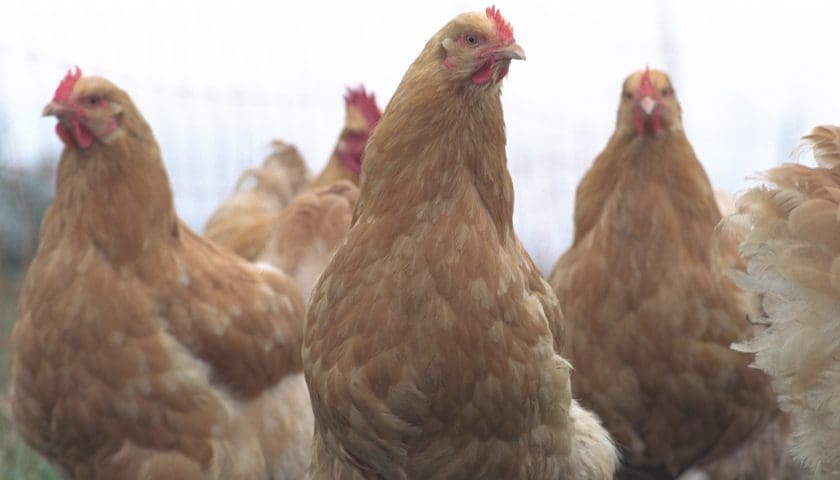
EUROPE – EU poultry production remained largely unchanged in the first quarter of 2025 after a strong rebound the previous year, according to the European Commission’s latest short-term outlook.
Between January and March, output slipped by just 0.3 percent compared to the same period in 2024, signaling relative stability in the sector despite ongoing disease challenges.
Countries such as Greece, Slovakia, Spain, Croatia, Bulgaria, Portugal, and Slovenia recorded notable growth, with increases ranging from 5 to 17 percent.
However, production declined in Poland, Italy, and Hungary following renewed outbreaks of highly pathogenic avian influenza (HPAI) that disrupted operations and led to flock losses.
Broiler prices have climbed sharply since the start of the year, with mid-June averages reaching about US$334 per 100 kilograms (converted from €306), up 13 percent year-on-year due to tight supply and continued consumer demand.
The Commission expects poultry production across the bloc to expand by 1.8 percent in 2025 as feed costs ease and demand remains strong.
Even so, officials caution that further growth will be limited by persistent HPAI threats and a shortage of hatching eggs affecting several regions.
Average poultry consumption in the EU is forecast to increase by roughly 0.5 kilograms per person this year, equivalent to a 2 percent rise, as more consumers turn to poultry for its affordability and nutritional value.
Germany Hit Hard by Renewed Bird Flu Cases
Meanwhile, Germany is battling a resurgence of avian influenza that has forced more than 30 poultry farms to destroy their flocks, according to the Friedrich-Loeffler-Institut (FLI).
Preliminary reports indicate that about 400,000 chickens, ducks, geese, and turkeys have been culled and safely disposed of to contain the spread of the H5N1 virus.
FLI President Christa Kühn said the current outbreak mirrors the scale of infections recorded in 2021, Germany’s worst bird flu year on record.
She warned that more cases are likely in the coming weeks, describing the situation as “highly dynamic” and unpredictable.
The hardest-hit regions are Mecklenburg-Vorpommern and Brandenburg, where roughly 150,000 laying hens and another 130,000 birds were destroyed following confirmed infections.
Smaller outbreaks have also been detected in other parts of the country, prompting precautionary culling as laboratory tests confirmed additional cases.
Experts believe migrating wild birds are the primary carriers of the virus, which tends to spread faster during the autumn migration season.
This year’s wave began earlier than usual, with numerous dead cranes reported in north-west Brandenburg, an area known for hosting large bird populations.
So far, 65 wild bird cases have been officially confirmed, though Kühn noted the real number is likely far higher.
Sign up HERE to receive our email newsletters with the latest news and insights from Africa and around the world, and follow us on our WhatsApp channel for updates.