FDA considers new caffeine labeling guidance for foods and beverages
The proposed FDA guidance could encourage clearer disclosure of added caffeine in packaged foods, beverages and retail products without introducing mandatory labeling requirements.
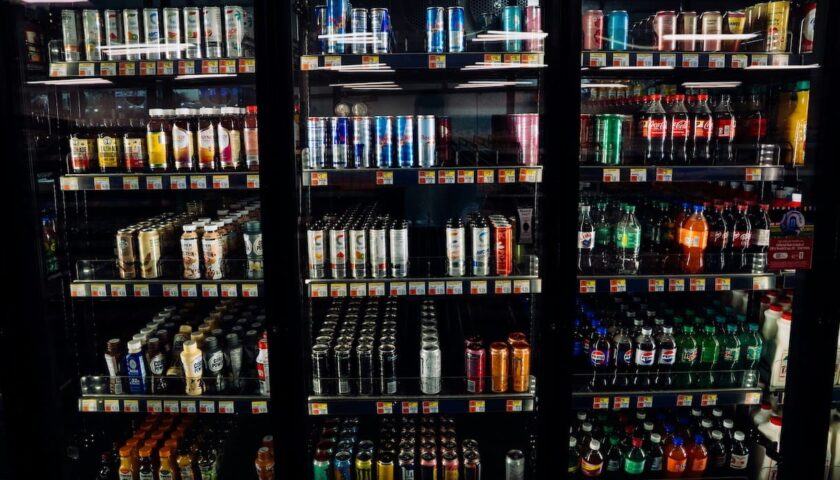
USA – The U.S. Food and Drug Administration (FDA) is considering new guidance on caffeine labeling for foods and beverages, a move that could eventually influence packaged coffee drinks, ready-to-drink beverages and retail products containing added caffeine.
The planned document, titled “Labeling Caffeine Content in Foods and Beverages; Draft Guidance for Industry,” was included on the FDA’s updated 2026 Human Foods Program guidance agenda published on June 29.
The agenda outlines the agency’s priority guidance documents for the year, although it does not guarantee that every document will be finalized.
At present, the proposal does not introduce new legal requirements for coffee manufacturers or beverage companies. FDA guidance documents are generally non-binding and do not establish legally enforceable obligations.
The agency has not released draft label language, identified the products that would fall under the guidance or announced implementation timelines for companies.
In outlining its 2026 priorities, the FDA stated: “With the growing consumption of caffeinated beverages and foods, HFP will highlight industry best practices for labeling added caffeine content in foods in connection with both packaged foods and beverages and at retail and restaurant settings.”
Current FDA regulations require manufacturers to list caffeine in the ingredient declaration when it is added as a standalone ingredient. However, companies are generally not required to disclose the amount of caffeine, measured in milligrams, contained in packaged foods or beverages.
Naturally occurring caffeine is treated differently under existing regulations. Products such as roasted coffee are not required to identify caffeine as a separate ingredient or disclose caffeine content because the stimulant occurs naturally.
Likewise, restaurants and other food service establishments are not currently obligated to inform customers of the caffeine content in beverages they prepare and serve.
The proposed guidance comes amid growing public and political attention on caffeinated products, particularly energy drinks marketed to younger consumers. Concerns over caffeine consumption among children and teenagers have prompted calls for stronger labeling and increased regulatory oversight.
In June, Texas Attorney General Ken Paxton launched an investigation into Celsius Holdings regarding the marketing of energy drinks to teenagers and children.
The investigation referenced a lawsuit involving the death of a 17-year-old Texas girl, which allegedly followed excessive caffeine consumption from an Alani Nu energy drink marketed by Celsius-owned Alani Nutrition.
Earlier, in July 2023, Senate Majority Leader Chuck Schumer urged the FDA to investigate energy drink brand Prime, alleging the company targeted children through social media promotions.
Separately, the FDA is also reviewing a food additive petition that could affect the continued use of methylene chloride in coffee decaffeination, highlighting the agency’s broader focus on food safety and beverage regulation.
Sign up HERE to receive our email newsletters with the latest news and insights from Africa and around the world, and follow us on our WhatsApp channel for updates.