FDA funds US$1M study on drug-resistant bacteria in retail poultry
The research will inform future policies and mitigation strategies for antibiotic resistance in foodborne pathogens.
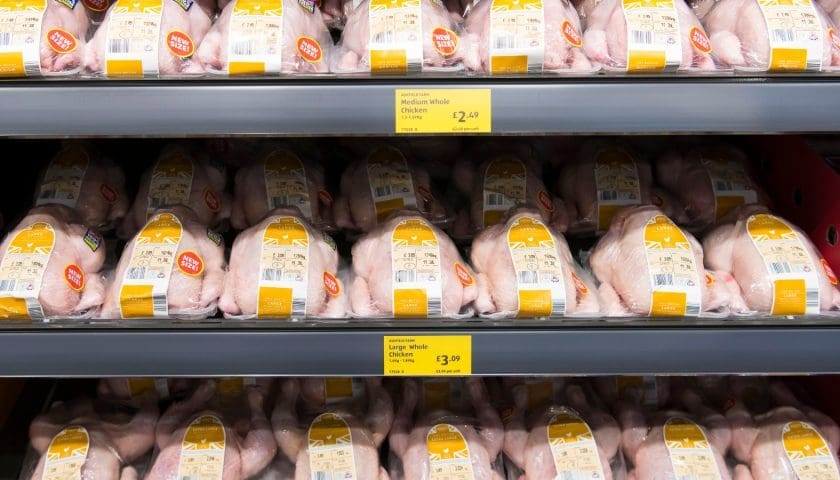
USA – The U.S. Food and Drug Administration has provided a US$1 million grant to support research on antimicrobial resistance in retail poultry at the University of Illinois Urbana-Champaign.
The project will operate under the National Antimicrobial Resistance Monitoring System, which tracks drug resistance in foodborne bacteria such as Salmonella and Campylobacter.
Pratik Banerjee, associate professor in the Department of Food Science and Human Nutrition, will lead the study and said it will offer continuous monitoring of antibiotic-resistant bacteria in poultry sold across Illinois.
He noted that antimicrobial resistance presents financial challenges for the poultry industry, as both consumers and international trade increasingly favor products raised without antibiotics.
The study will involve collecting poultry, meat, and seafood samples twice a month from selected retail locations across the state for laboratory testing.
Researchers will perform serotyping, whole genome sequencing, and molecular analyses on the samples to track patterns of antimicrobial resistance.
The data generated will be used to build predictive models that can help anticipate resistance trends and inform strategies to reduce the risk of drug-resistant infections.
Banerjee said the findings could shape regulatory policies from the FDA, U.S. Department of Agriculture, and Centers for Disease Control and Prevention, while also influencing consumer trust in poultry products.
The study may also guide international trade standards by providing evidence on resistance trends in meat and poultry sold in U.S. retail markets.
He added that the research could encourage producers to explore alternatives to antibiotics, including vaccines, probiotics, and stricter biosecurity measures.
Regular surveillance and data collection from the retail environment will provide a clearer picture of how antimicrobial resistance spreads through the food supply.
The research represents a step toward understanding both the health and economic implications of antibiotic resistance in the poultry sector.
Banerjee emphasized that addressing antimicrobial resistance requires balancing scientific investigation with practical measures that protect both consumers and the poultry industry.
The project is scheduled to continue sampling and analysis throughout Illinois, with results expected to inform policy and production practices in the coming years.
Sign up HERE to receive our email newsletters with the latest news and insights from Africa and around the world, and follow us on our WhatsApp channel for updates.