

Gade Gui secures US$4M from Proparco to launch table egg production in Senegal
The poultry company secures long-term financing to build a new laying farm and expand local egg production capacity.
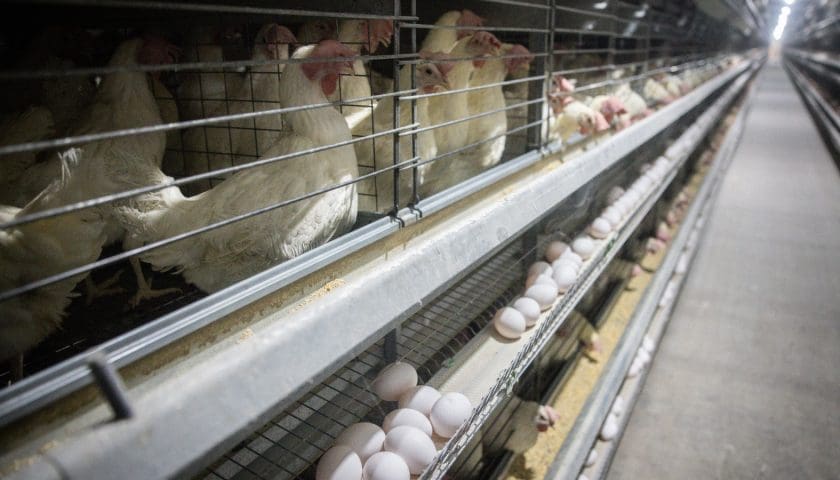
SENEGAL – In Dakar, Senegalese poultry company Gade Gui has begun developing a large-scale table egg production facility after securing a US$4 million (about 2.5 billion CFA francs) loan from Proparco, the French development finance institution.
The financing is Proparco’s first direct partnership with a small or medium-sized enterprise in West Africa under its new “SMEs Scale Up” program, which aims to support expanding businesses.
The funds will go toward constructing and running a laying hen farm that includes growing, laying, sorting, and packaging operations.
Once complete, the facility is projected to produce more than 80 million eggs a year, boosting the country’s supply of affordable and locally produced protein.
Gade Gui, already established in Senegal’s broiler chicken industry, is now branching into egg production to strengthen its role in the domestic poultry market.
The expansion comes as Senegal’s population growth and rapid urbanization continue to drive demand for accessible, high-quality protein sources.
To ensure efficient operations, Gade Gui has partnered with NTD France, a company based in the Gers region that specializes in poultry equipment and farm setup.
According to company president Adama Sène Cissé, the collaboration reflects Gade Gui’s commitment to quality food production and job creation while maintaining high operational standards.
Proparco noted that its “SMEs Scale Up” facility provides structured debt financing of up to US$5 million to profitable businesses that often struggle to access long-term, flexible loans.
The investment aligns with broader developments in Senegal’s poultry sector, which has recently seen renewed momentum toward self-sufficiency.
In late October, 7,000 dual-purpose parent stock birds arrived under the Couvoir Amar Poultry Multiplication Initiative (PMI), an effort to reduce dependence on imported hatching eggs.
For years, local farmers have relied on imported chicks, leaving them exposed to global price swings and shipping delays.
The new parent stock, capable of producing both eggs and meat, will enable local hatcheries to supply day-old chicks domestically, cutting costs and improving reliability.
The initiative is expected to generate economic benefits across the value chain, supporting feed producers, veterinarians, transporters, and smallholder farmers.
Poultry farming remains a vital income source for many rural families in Senegal, particularly women and youth engaged in small-scale production.
Senegal’s egg output reached 885 million units in 2019, generating about US$95.6 million, and the market is forecast to grow by 9.39% annually through 2030, with projected revenue of roughly US$115.99 million in 2025.
Sign up HERE to receive our email newsletters with the latest news and insights from Africa and around the world, and follow us on our WhatsApp channel for updates.

