Germany battles bird flu outbreak as nearly 400,000 birds are culled
Authorities warn of further spread as new cases hit multiple states

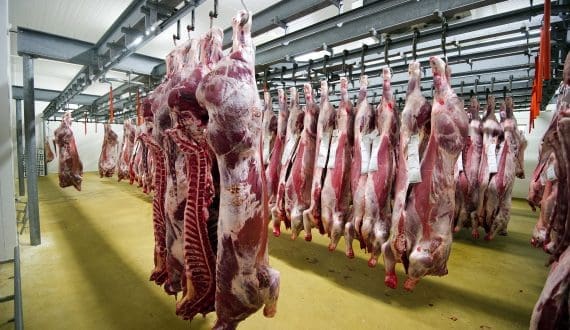
GERMANY – More than 30 poultry farms across Germany have been forced to destroy their flocks following new outbreaks of avian influenza, according to the country’s Friedrich-Loeffler-Institut (FLI).
Initial assessments show that close to 400,000 chickens, ducks, geese and turkeys have been culled and safely disposed of to contain the spread of the virus.
FLI President Christa Kühn said the current figures mirror those recorded in 2021, the country’s worst bird flu year to date.
She noted that the institute expects more outbreaks in the coming weeks, warning that the situation remains unpredictable and “highly dynamic.”
The worst-hit areas are in the north-eastern states of Mecklenburg-Vorpommern and Brandenburg, which encircles Berlin.
In Mecklenburg-Vorpommern alone, around 150,000 laying hens were destroyed at two sites following confirmed infections.
Brandenburg authorities announced on Sunday that an additional 130,000 birds would be slaughtered after detecting further cases of the H5N1 strain.
Smaller outbreaks have also been confirmed in other German states, prompting precautionary culling as tests from the FLI verified infections with the highly contagious virus.
Early onset and spread among wild birds
Experts believe migrating wild birds heading south are the main transmitters of the disease.
While bird flu is now present throughout the year in Germany, the infection rate typically spikes during the autumn migration period.
According to the FLI, this season’s wave of infections has begun earlier than expected, with cranes particularly hard hit in north-west Brandenburg where many have been found dead.
The H5N1 virus has so far been detected in 65 confirmed wild bird cases, but Kühn said the actual number of infected birds is likely much higher.
She urged the public to avoid contact with dead wild birds and to stay away from poultry facilities afterward, noting that contaminated footwear or equipment can also spread the virus.
Containment efforts and compensation
Kühn reassured that the overall risk to the public remains low.
However, individuals directly involved in handling infected animals, such as cleanup teams and bird collection crews, face a moderate infection risk and are required to wear protective gear.
Authorities have advised farmers to tighten hygiene measures and prevent any interaction between domestic flocks and wild birds as the peak migration season approaches.
The Central Association of the German Poultry Industry warned that failure to contain the disease could threaten both animal welfare and national food supply.
Farmers affected by the culls can apply for compensation from the national animal disease fund.
Agriculture Minister Alois Rainer has proposed raising the maximum compensation for each culled animal from US$58 to US$128, based on the animal’s market value.
Sign up HERE to receive our email newsletters with the latest news and insights from Africa and around the world, and follow us on our WhatsApp channel for updates.