Global meat prices lead food cost decline as FAO index still rises over 2025
Despite the late-year slowdown, average food prices in 2025 remained higher than in 2024.
WORLD – World food prices slipped for a fourth straight month in December, led by a renewed decline in meat prices, although average costs across 2025 still ended higher than the previous year, according to new data from the United Nations Food and Agriculture Organization.
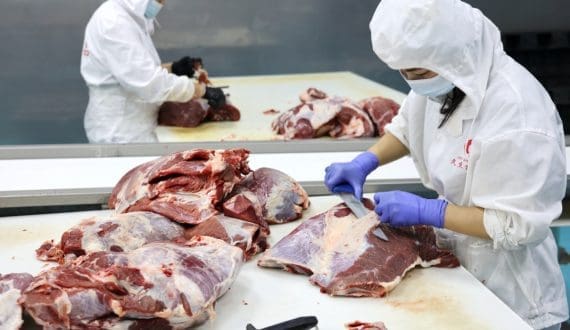
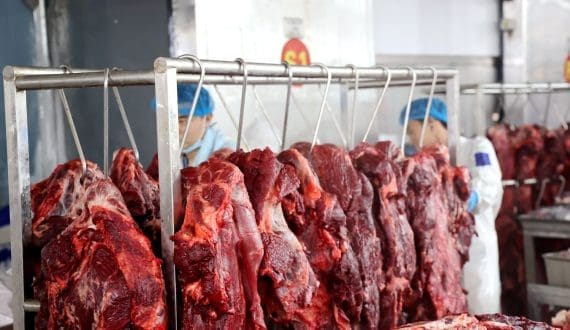
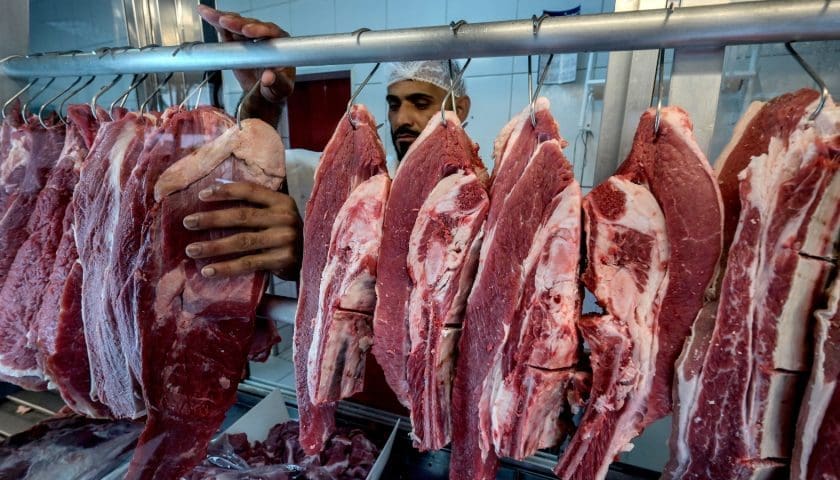
Meat prices posted a monthly fall of 1.3 percent in December, with bovine and poultry products recording the sharpest drops, as improved supply conditions coincided with softer short-term demand in key importing regions.
Even so, meat prices across 2025 as a whole remained elevated, with the FAO’s meat index averaging 5.1 percent above its 2024 level due to sustained global consumption, lingering animal disease risks and continued trade disruptions linked to geopolitical tensions.
Against this backdrop, the FAO Food Price Index, which measures changes in a basket of internationally traded food commodities, averaged 124.3 points in December, down from 125.1 points in November and 2.3 percent lower than a year earlier.
That December reading marked the lowest monthly average recorded since January 2025, reflecting broad-based declines outside the cereals and sugar categories.
On an annual basis, however, the index averaged 127.2 points in 2025, representing a 4.3 percent increase from 2024 as gains in several commodity groups outweighed losses elsewhere.
Dairy and oils soften late in the year
Dairy prices recorded one of the steepest monthly drops in December, with the FAO dairy index falling 4.4 percent after butter prices retreated sharply due to greater cream availability in Europe.
Despite the year-end slide, dairy prices in 2025 averaged 13.2 percent higher than in 2024, reflecting strong import demand earlier in the year and constrained export supplies from major producing regions.
Vegetable oil prices also edged lower in December, slipping 0.2 percent to their weakest level in six months as declines in soy, rapeseed and sunflower oils outweighed firmer palm oil prices.
Over the full year, the vegetable oil index averaged 17.1 percent above 2024 levels, reaching a three-year high amid tight global availability.
Cereals and sugar move higher
In contrast, cereal prices increased 1.7 percent in December, with wheat supported by renewed uncertainty over Black Sea export flows and maize prices lifted by robust ethanol demand in Brazil and the United States.
Still, the cereal index averaged 4.9 percent below its 2024 level over 2025, marking a third consecutive annual decline and its lowest yearly average since 2020.
Sugar prices rose 2.4 percent in December after three months of declines, driven mainly by reduced output in southern Brazil.
Sign up HERE to receive our email newsletters with the latest news and insights from Africa and around the world, and follow us on our WhatsApp channel for updates.