
Guinea signs deal with Brazil to upgrade cattle breeding
The initiative will introduce over 2,000 purebred Brazilian cows and new reproductive technologies
GUINEA – Conakry has entered an agreement with Brazil’s Rio Verde Group aimed at improving livestock productivity and animal output, particularly in the meat and dairy sectors.
The partnership will involve transferring technology and skills to Guinea’s Ministry of Livestock, enabling local staff to apply modern breeding techniques.
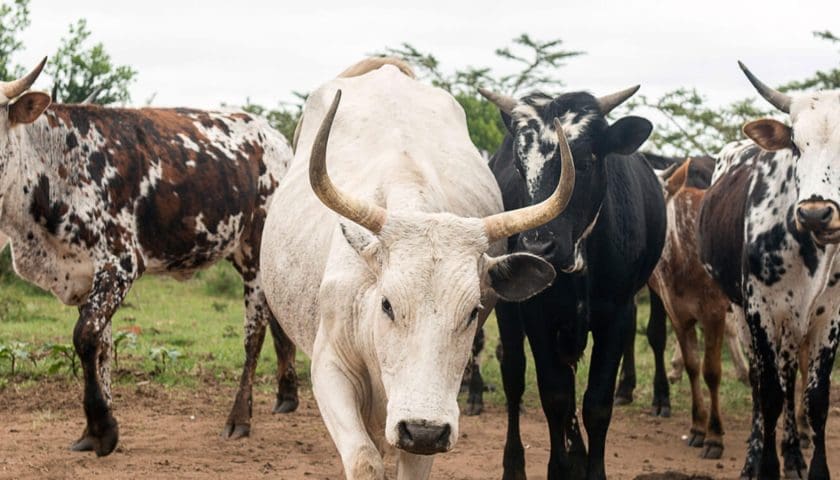
As part of the project, more than 2,000 Brazilian purebred cows will be introduced to the Boké Livestock Support and Demonstration Center to strengthen the national herd.
Félix Lamah, Guinea’s Minister of Livestock, said the collaboration will include artificial insemination, embryo transfers, and the creation of a laboratory to conduct these procedures domestically.
Brazilian cattle breeds are recognized for their adaptability to tropical climates and occupy a strong position in global beef and dairy markets.
FAO data shows Brazil ranks as the world’s second-largest beef producer after the United States and leads global beef exports, while it is the fifth-largest producer of dairy products after India, the US, Pakistan, and China.
The Rio Verde partnership continues a broader collaboration between Conakry and Brasilia on improving livestock genetics, following support from the Brazilian Cooperation Agency for the N’Dama breed program announced in October 2025.
Guinea has previously partnered with the FAO to crossbreed local N’Dama cows with the Montbéliarde breed in Dubréka, a program launched in November 2025 covering 1,000 cows to enhance milk and meat output.
Regional trends indicate similar initiatives across West Africa, with Burkina Faso announcing in January the import of 710 pregnant Guzerá, Gir, Holstein, and Nelore cows from Brazil to improve herd productivity.
Senegal also imported 1,000 Guzerá cattle in November 2024 under a public-private partnership, seeking to boost the quality and quantity of locally produced beef.
FAO statistics show Guinea imported an average of 9,373 tonnes of dairy products annually between 2020 and 2024, including raw milk, whole milk, butter, and yogurt.
These imports carried an average annual cost of about US$20.66 million, highlighting the country’s reliance on external dairy supplies despite domestic improvement efforts.
Sign up HERE to receive our email newsletters with the latest news and insights from Africa and around the world, and follow us on our WhatsApp channel for updates.