Ivory Coast slows cocoa export sales amid El Nino concerns
The world’s largest cocoa producer has raised export premiums while monitoring weather risks and supply challenges ahead of the next season.
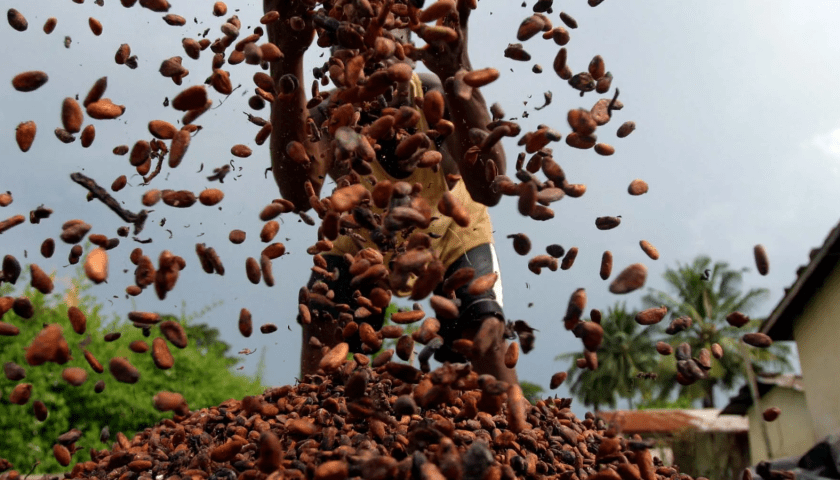
IVORY COAST – Ivory Coast has sold approximately 1 million metric tons of cocoa through export contracts for the 2026/27 main crop season but has begun slowing further sales amid concerns that a potential El Niño weather pattern could affect future production.
According to industry and regulatory sources speaking to Reuters, the Abidjan-based Coffee and Cocoa Council (CCC) has also increased its premium on new cocoa sales from zero to at least £100 (US$135) per ton above futures prices.
The move reflects growing confidence in demand and concerns over supply availability when the new cocoa season begins on September 1.
The West African nation, which is the world’s largest cocoa producer, has already secured substantial forward sales for next season. One CCC source said authorities are taking a cautious approach as uncertainties surrounding crop development continue to emerge.
“We have already sold between 950,000 and 1 million tons for next season, but we preferred to slow down and be cautious. We are selling less and less,” the source said.
Two Europe-based industry sources, including a senior cocoa trading executive and the head of a trading company, estimated that total forward sales could be between 1.1 million and 1.2 million tons. They also confirmed the increase in sales premiums.
“The market is allowing them to be a bit more aggressive. They don’t need to lower the premium to get contracts in the book,” said the head of the trading firm.
The decision comes as weather experts monitor the possible development of El Niño conditions, which could bring drought to major cocoa-producing countries including Ivory Coast, Ghana, Cameroon and Nigeria.
“In truth, we are observing a certain fragility in the development of the mid-crop and therefore in the next main crop. It was very hot between January and May, and the rains of the past few weeks cannot make up for everything,” a CCC source said.
“If El Niño intervenes as predicted in June and July, it will be difficult,” the source added.
Industry opinion remains divided on the extent of the weather threat. While some exporters support the CCC’s cautious approach, others argue that aging plantations, disease pressure and limited fertiliser use pose greater risks to production.
Fertiliser availability has become a growing concern after disruptions to trade routes through the Strait of Hormuz contributed to higher global fertiliser prices, adding further uncertainty to cocoa production prospects for the upcoming season.
Sign up HERE to receive our email newsletters with the latest news and insights from Africa and around the world, and follow us on our WhatsApp channel for updates.